


Hey there! As a fully welded ball valves supplier, I often get asked about the valve trim material. So, let's dig into it and explore what the valve trim material of fully welded ball valves is all about.
First off, what exactly is valve trim? Well, valve trim refers to the internal parts of a valve that come into direct contact with the flowing fluid. These parts include the ball, seat, stem, and other components that play a crucial role in the valve's operation. The choice of valve trim material is super important as it can greatly affect the valve's performance, durability, and resistance to various factors like corrosion, erosion, and high temperatures.
There are several types of materials commonly used for valve trim in fully welded ball valves. Let's start with stainless steel. Stainless steel is a popular choice due to its excellent corrosion resistance. It can withstand a wide range of corrosive media, including acids, alkalis, and saltwater. This makes it ideal for applications in industries such as chemical processing, water treatment, and offshore oil and gas. Our Carbon Steel Fully Welded Ball Valves with stainless steel trim offer long - lasting performance in harsh environments.
Another commonly used material is carbon steel. Carbon steel is known for its high strength and affordability. It's a great option for applications where corrosion is not a major concern, such as in some low - pressure and non - corrosive fluid systems. However, carbon steel may need some form of protective coating to prevent rusting if it's exposed to moisture or corrosive substances over time.
For high - temperature applications, alloy steels are often the go - to choice. Alloy steels contain additional elements like chromium, molybdenum, and vanadium, which enhance their strength and heat resistance. These valves can handle temperatures that would cause other materials to deform or fail. So, if you're dealing with a high - temp fluid flow, alloy steel valve trim is something to consider.
In addition to metals, there are also non - metallic materials used for valve trim. One such material is PTFE (polytetrafluoroethylene). PTFE has a very low coefficient of friction, which provides smooth operation of the valve. It's also highly resistant to chemicals, making it suitable for use in aggressive chemical environments. You can find PTFE - trimmed valves in our Electric Fully Welded Ball Valves and Pneumatic Fully Welded Ball Valves for specific chemical handling applications.
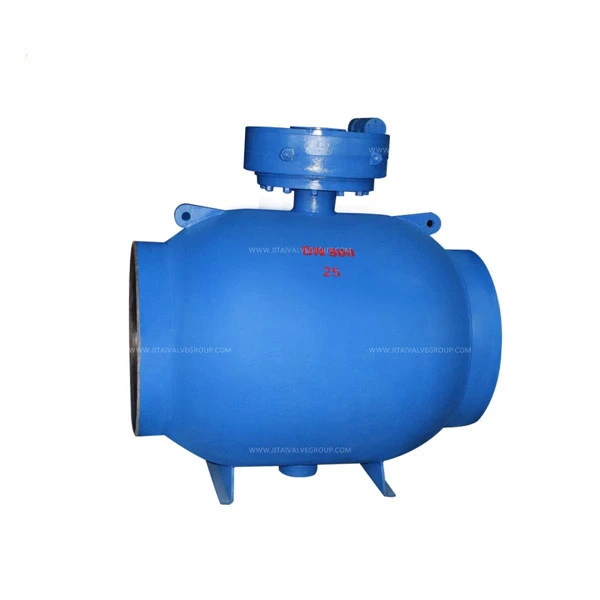

Ceramics are another non - metallic option. They offer extreme hardness and wear resistance, making them ideal for applications where there is a lot of particle - laden fluid flowing through the valve. Ceramic trim can withstand high - velocity fluid flow and abrasive particles without getting damaged easily.
Now, let's talk about how the choice of valve trim material is made. The selection process depends on several factors. First, you need to consider the type of fluid that will be flowing through the valve. Is it a corrosive chemical, a clean water supply, or a high - temperature gas? The chemical properties of the fluid, such as its pH level, concentration, and reactivity, will determine which material can withstand the fluid without degrading.
The operating conditions also play a big role. What's the pressure and temperature of the system? High - pressure systems require materials that can handle the stress without failing, while high - temperature environments need heat - resistant materials. For example, if you're working in a steam power plant with high - pressure and high - temperature steam, you'll want a valve with a trim material that can handle those extreme conditions, like a high - quality alloy steel.
The flow rate of the fluid is another consideration. A high - flow rate means there's more contact and friction between the fluid and the valve trim. In such cases, materials with good erosion resistance, like ceramics or certain alloy steels, are preferred.
Cost is, of course, always a factor. Some materials are more expensive than others, and you need to balance the performance requirements with your budget. Sometimes, a slightly more expensive material in the short - term can save you money in the long - run by reducing maintenance and replacement costs.
As a fully welded ball valves supplier, we understand the importance of choosing the right valve trim material. We have a wide range of valves with different trim materials to suit various applications. Whether you're in the oil and gas industry, chemical processing, water treatment, or any other field that requires reliable valve solutions, we've got you covered.
If you're still not sure which valve trim material is best for your specific needs, don't worry. Our team of experts is here to help you make the right decision. We can analyze your requirements, consider all the relevant factors, and recommend the most suitable fully welded ball valve with the appropriate trim material.
So, if you're in the market for fully welded ball valves, or if you've got any questions about valve trim materials, feel free to reach out. Let's have a chat and discuss how we can provide you with the perfect valve solution for your project.
In conclusion, the valve trim material of fully welded ball valves is a crucial aspect that can significantly impact the valve's performance and longevity. By understanding the different materials available and the factors that influence the selection, you can make an informed decision and ensure that your valve operates efficiently in your specific application.
References
- Valve Handbook by Anderson, David
- Industrial Valves: Principles and Selection by Mohan, R.


