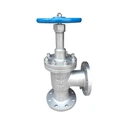
The knife gate valve is a crucial component in many industrial applications, especially in systems dealing with slurries, powders, and other difficult-to-handle media. At the heart of this valve's functionality lies the disc design, which plays a pivotal role in determining its overall performance. As a trusted Knife Gate Valves supplier, I have witnessed firsthand how different disc designs can significantly impact the valve's efficiency, durability, and reliability. In this blog, I will delve into the various aspects of disc design and how they affect the performance of a knife gate valve.
The Basics of Knife Gate Valve Discs
The disc of a knife gate valve is the part that moves up and down to control the flow of media through the valve. It is typically a flat, blade-like structure that cuts through the media, hence the name "knife gate." The disc's main function is to provide a tight seal when closed and allow unobstructed flow when open. The design of the disc can vary widely, depending on the specific application requirements.
Material Selection for Discs
One of the most critical factors in disc design is the choice of material. The material must be able to withstand the corrosive, abrasive, and erosive forces exerted by the media flowing through the valve. For applications involving corrosive substances, Stainless Steel Knife Gate Valves are often the preferred choice. Stainless steel offers excellent corrosion resistance, making it suitable for use in chemical processing, water treatment, and other industries where corrosion is a concern.
On the other hand, Carbon Steel Knife Gate Valves are commonly used in applications where abrasion resistance is more important. Carbon steel is a strong and durable material that can withstand the wear and tear caused by abrasive media such as slurries and powders. It is also relatively inexpensive, making it a cost-effective option for many industrial applications.
Disc Shape and Its Impact on Performance
The shape of the disc can have a significant impact on the valve's performance. A well-designed disc shape can improve flow characteristics, reduce pressure drop, and enhance sealing performance. One common disc shape is the flat disc, which is simple and easy to manufacture. Flat discs are suitable for applications where the media is relatively clean and does not contain large particles.
However, for applications involving slurries and other difficult-to-handle media, a tapered or beveled disc may be more appropriate. The tapered or beveled edge of the disc helps to cut through the media more effectively, reducing the risk of clogging and improving the valve's overall performance. Additionally, a tapered disc can provide a better seal when closed, minimizing leakage and ensuring the valve's reliability.
Disc Thickness and Strength
The thickness of the disc is another important consideration in disc design. A thicker disc generally provides greater strength and durability, making it more suitable for applications where the valve is subjected to high pressures and forces. However, a thicker disc also increases the weight of the valve, which can make it more difficult to operate and may require a more powerful actuator.
On the other hand, a thinner disc may be more suitable for applications where weight is a concern or where the valve is not subjected to high pressures. Thinner discs can also reduce the cost of the valve, making them a more economical option. However, it is important to ensure that the disc is still thick enough to provide the necessary strength and durability for the specific application.
Sealing Mechanisms and Disc Design
The sealing mechanism of a knife gate valve is closely related to the disc design. A good sealing mechanism is essential for preventing leakage and ensuring the valve's reliability. There are several types of sealing mechanisms commonly used in knife gate valves, including elastomeric seals, metal-to-metal seals, and hybrid seals.


Elastomeric seals are made of rubber or other elastomeric materials and are often used in applications where a tight seal is required. They provide excellent sealing performance and can accommodate some misalignment between the disc and the seat. However, elastomeric seals may not be suitable for applications involving high temperatures or corrosive substances.
Metal-to-metal seals, on the other hand, are made of metal and provide a more robust and durable sealing solution. They are suitable for applications where the valve is subjected to high pressures and temperatures. However, metal-to-metal seals may require more precise machining and alignment to ensure a proper seal.
Hybrid seals combine the advantages of elastomeric and metal-to-metal seals, providing a high-performance sealing solution that is suitable for a wide range of applications. Hybrid seals typically consist of an elastomeric sealing element and a metal backup ring, which provides additional support and durability.
Impact of Disc Design on Maintenance and Serviceability
The disc design can also have an impact on the valve's maintenance and serviceability. A well-designed disc should be easy to remove and replace, allowing for quick and efficient maintenance. Additionally, the disc should be resistant to wear and corrosion, reducing the need for frequent replacement.
Some disc designs incorporate features such as removable seats or replaceable sealing elements, which can further simplify maintenance and reduce downtime. These features allow for the replacement of worn or damaged components without having to replace the entire valve, saving time and money.
Conclusion
In conclusion, the disc design plays a crucial role in determining the performance of a knife gate valve. The choice of material, disc shape, thickness, and sealing mechanism all have a significant impact on the valve's efficiency, durability, and reliability. As a Knife Gate Valves supplier, I understand the importance of providing high-quality valves that are designed to meet the specific needs of each application.
If you are in the market for a knife gate valve, I encourage you to consider the disc design carefully. By choosing a valve with a well-designed disc, you can ensure that your system operates efficiently and reliably, minimizing downtime and reducing maintenance costs. For more information or to discuss your specific requirements, please feel free to contact us. We are here to help you find the perfect valve solution for your application.
References
- "Valve Handbook: Principles and Applications," by J. Paul Tullis
- "Industrial Valves: Selection and Sizing," by James E. Tompkins
- "Knife Gate Valves: Design, Selection, and Application," by various industry experts