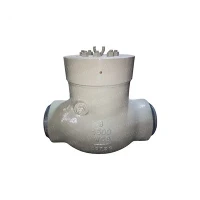
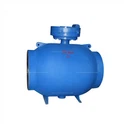
Hey there! As a supplier of Teflon lined valves, I've seen firsthand how crucial it is to ensure chemical compatibility. It's not just about making sure the valves work – it's about keeping your operations safe and efficient. In this blog, I'll share some tips and tricks on how to make sure your Teflon lined valves are a perfect match for the chemicals they'll be handling.
Understanding Teflon and Its Properties
First things first, let's talk a bit about Teflon. Teflon, also known as polytetrafluoroethylene (PTFE), is a synthetic fluoropolymer. It's got some pretty amazing properties that make it a top choice for lining valves. It's highly resistant to heat, chemicals, and corrosion. Plus, it has a low coefficient of friction, which means it can reduce wear and tear on the valve components.
But here's the thing: just because Teflon is super resistant doesn't mean it's compatible with every single chemical out there. Some aggressive chemicals can still cause problems, even with a Teflon lining. So, it's important to do your homework and understand the specific properties of the chemicals you're dealing with.
Know Your Chemicals
The first step in ensuring chemical compatibility is to really know your chemicals. You need to understand their chemical composition, concentration, temperature, and pressure. These factors can all have a big impact on how the chemicals interact with the Teflon lining.
For example, strong oxidizing agents like concentrated nitric acid or hydrogen peroxide can be tough on Teflon. At high temperatures and concentrations, they can start to break down the Teflon lining over time. Similarly, some solvents like ketones and ethers can also cause swelling or softening of the Teflon, which can affect the valve's performance.
So, make sure you have a detailed list of all the chemicals that will come into contact with the Teflon lined valves. Include information about their typical operating conditions, such as temperature and pressure ranges. This will help you make more informed decisions when it comes to selecting the right valves.
Consult Compatibility Charts
One of the easiest ways to check chemical compatibility is to consult compatibility charts. These charts provide a quick and easy way to see which chemicals are compatible with Teflon and which ones aren't. You can find these charts online or in supplier catalogs.
When using compatibility charts, keep in mind that they're just a starting point. They can give you a general idea of compatibility, but they might not cover every single chemical or every possible operating condition. So, it's always a good idea to double-check with the valve manufacturer or a chemical engineer if you're unsure.
Consider the Type of Valve
Not all Teflon lined valves are created equal. Different types of valves – like Teflon Lined Globe Valves, Teflon Lined Gate Valves, and Teflon Lined Butterfly Valves – have different designs and functions, which can affect their chemical compatibility.
For example, globe valves are great for regulating flow, but they have a more complex internal structure. This means there are more areas where chemicals can get trapped and potentially cause problems. On the other hand, butterfly valves are simpler in design and have less surface area in contact with the chemicals. This can make them a better choice for certain applications where chemical compatibility is a concern.
So, when selecting a Teflon lined valve, think about the specific requirements of your application and choose the type of valve that's best suited to handle the chemicals you're dealing with.
Conduct Testing
If you're still unsure about chemical compatibility, conducting testing is a great option. You can perform small-scale tests in a laboratory to see how the Teflon lining reacts to the chemicals under your specific operating conditions.
There are a few different types of tests you can do. One common test is the immersion test, where you immerse a sample of the Teflon lining in the chemical for a certain period of time and then check for any signs of damage, such as swelling, discoloration, or changes in hardness. You can also do flow tests to see how the valve performs when the chemical is flowing through it.
Testing can be a bit time-consuming and expensive, but it's worth it in the long run. It can give you peace of mind knowing that your Teflon lined valves are going to work properly and last a long time.
Monitor and Maintain Your Valves
Even if you've done all the research and testing to ensure chemical compatibility, it's still important to monitor and maintain your Teflon lined valves regularly. Keep an eye out for any signs of wear, damage, or leakage.
Inspect the valves periodically to check the condition of the Teflon lining. Look for any cracks, holes, or signs of erosion. If you notice any problems, address them right away to prevent further damage.
Also, make sure you follow the manufacturer's recommendations for maintenance and cleaning. Using the wrong cleaning agents or techniques can actually damage the Teflon lining and compromise its chemical compatibility.
Seek Expert Advice
When in doubt, don't hesitate to seek expert advice. You can reach out to the valve manufacturer or a chemical engineer who has experience with Teflon lined valves and chemical compatibility. They can provide you with valuable insights and recommendations based on your specific application.
Manufacturers often have a lot of knowledge and resources at their disposal. They can help you select the right valve for your needs and provide guidance on installation, maintenance, and troubleshooting. Chemical engineers can also perform in-depth analyses of your chemicals and operating conditions to ensure the best possible compatibility.
Conclusion
Ensuring the chemical compatibility of Teflon lined valves is a critical step in maintaining the safety and efficiency of your operations. By understanding the properties of Teflon and your chemicals, consulting compatibility charts, considering the type of valve, conducting testing, monitoring and maintaining your valves, and seeking expert advice when needed, you can make sure your Teflon lined valves are up to the task.


If you're in the market for high-quality Teflon lined valves and need help ensuring chemical compatibility, feel free to reach out. We're here to assist you with your procurement needs and can provide you with the right solutions for your specific applications. Let's start that conversation and find the perfect valves for you!
References
- "Handbook of Chemical Resistance" by Carl L. Yaws
- Manufacturer's documentation for Teflon lined valves
- Industry standards and guidelines for valve selection and chemical compatibility