What special designs are needed for floating ball valves in cryogenic applications?
Floating ball valves are widely used in various industries due to their simplicity, reliability, and effectiveness in controlling the flow of fluids. In cryogenic applications, however, these valves face unique challenges that demand special design considerations. As a leading supplier of floating ball valves, we have accumulated extensive experience in tailoring these valves to meet the stringent requirements of cryogenic environments.
Sealing Materials and Design
One of the most critical aspects of floating ball valves in cryogenic applications is the sealing system. At extremely low temperatures, standard sealing materials can become brittle and lose their elasticity, leading to leaks and reduced valve performance. To address this, we use specially formulated elastomers and polymers that maintain their flexibility and sealing properties at cryogenic temperatures.
For instance, materials like Teflon (PTFE) and its derivatives are commonly used due to their excellent chemical resistance and low-temperature performance. These materials can withstand the harsh cryogenic conditions without cracking or deforming, ensuring a tight seal and preventing fluid leakage. Additionally, the design of the sealing surfaces is crucial. We employ precision machining techniques to create smooth, flat surfaces that provide optimal contact between the ball and the seat, enhancing the sealing efficiency.
Thermal Insulation
Cryogenic applications involve handling fluids at temperatures as low as -270°C. To prevent heat transfer from the environment to the valve and the fluid inside, proper thermal insulation is essential. Our floating ball valves are designed with advanced insulation systems to minimize heat ingress.
One common approach is to use multi-layer insulation (MLI), which consists of multiple layers of reflective materials separated by low-conductivity spacers. MLI can significantly reduce heat transfer through radiation, conduction, and convection. Another option is to use foam insulation, which provides excellent thermal resistance and is easy to install. We carefully select the insulation materials based on the specific requirements of the application, ensuring maximum efficiency and reliability.
Valve Actuation
In cryogenic applications, valve actuation can be challenging due to the low temperatures and the potential for icing. To ensure reliable operation, we offer a range of actuation options specifically designed for cryogenic conditions.
Electric actuators are a popular choice as they provide precise control and can be easily integrated into automation systems. However, they need to be properly insulated and protected from the cold environment to prevent damage to the electrical components. Pneumatic actuators are also widely used, as they are simple and reliable. We use special lubricants and seals that can withstand the low temperatures and prevent icing, ensuring smooth and consistent operation of the actuator.
Material Selection
The choice of materials for floating ball valves in cryogenic applications is crucial to ensure their durability and performance. At low temperatures, the mechanical properties of materials can change significantly, and some materials may become more prone to brittle fracture.
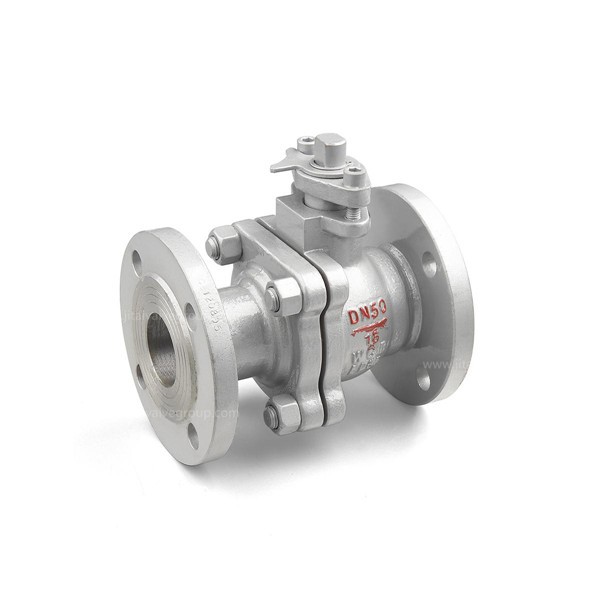
We use high-quality metals that are specifically selected for their excellent low-temperature properties. Alloy Steel Floating Ball Valves are a common choice due to their high strength, toughness, and resistance to corrosion. Carbon steel is also widely used, especially for applications where cost is a major consideration. However, it needs to be carefully treated to prevent corrosion and embrittlement at low temperatures. Stainless Steel Floating Ball Valves are another excellent option, offering superior corrosion resistance and good low-temperature performance.

Structural Design
The structural design of floating ball valves in cryogenic applications needs to be carefully optimized to withstand the extreme cold and the high pressures associated with cryogenic fluids. The valve bodies are typically thick-walled to provide sufficient strength and rigidity.
We also use special design features to reduce stress concentrations and prevent cracking. For example, fillets and rounded edges are used at critical areas to distribute stress evenly. Additionally, the valves are designed to allow for thermal contraction and expansion without causing damage to the valve components.
Testing and Quality Assurance
To ensure the reliability and performance of our floating ball valves in cryogenic applications, we conduct rigorous testing and quality assurance procedures. Each valve is tested under simulated cryogenic conditions to verify its sealing performance, flow characteristics, and actuation ability.
We use state-of-the-art testing equipment and techniques to measure and analyze the valve's performance. For example, helium leak testing is used to detect any potential leaks in the sealing system, ensuring that the valve meets the most stringent leakage standards. Non-destructive testing methods, such as ultrasonic testing and magnetic particle testing, are used to detect any internal defects in the valve components.
Conclusion and Call to Action
In conclusion, floating ball valves for cryogenic applications require special designs and materials to overcome the challenges posed by extreme cold temperatures. As a trusted supplier of floating ball valves, we have the expertise and capabilities to provide high-quality valves that meet the unique requirements of cryogenic environments.
Whether you need Alloy Steel Floating Ball Valves, Carbon Steel Floating Ball Valves, or Stainless Steel Floating Ball Valves, we can offer customized solutions tailored to your specific needs. If you are in the market for floating ball valves for cryogenic applications, we invite you to contact us to discuss your project requirements and explore how our products can meet your needs.
References
- ASME B16.34 - Valves - Flanged, Threaded, and Welding End.
- API 6D - Specification for Pipeline Valves.
- ISO 15848 - Industrial valves - Measurement, test and qualification procedures for fugitive emissions.