


A check valve is a crucial component in many fluid - handling systems. It allows fluid to flow in one direction only, preventing backflow and ensuring the proper functioning of the system. One of the key specifications of a check valve is its pressure rating. In this blog, we'll explore what the pressure rating of a check valve is, why it's important, and how it impacts the selection and use of check valves. As a check valves supplier, we have in - depth knowledge of these aspects and can provide valuable insights to our customers.
Understanding the Pressure Rating
The pressure rating of a check valve refers to the maximum pressure that the valve can safely withstand without experiencing failure or leakage. It is typically expressed in units such as pounds per square inch (psi), bars, or megapascals (MPa). This rating is determined through rigorous testing and engineering calculations, taking into account various factors like the valve's material, design, and manufacturing process.
For instance, a check valve with a pressure rating of 150 psi can handle a maximum pressure of 150 pounds per square inch in the system. If the pressure exceeds this limit, there is a high risk of the valve body cracking, the sealing mechanism failing, or other forms of structural damage.
Importance of Pressure Rating
System Safety
The most critical reason for considering the pressure rating is safety. In industrial applications, fluid systems often operate under high pressures. If a check valve with an inappropriate pressure rating is installed, it can lead to catastrophic failures. For example, in a steam system, a valve that cannot handle the high - pressure steam may rupture, causing steam to escape violently. This can result in injuries to personnel, damage to equipment, and even plant shutdowns.
System Efficiency
A check valve with the correct pressure rating ensures the efficient operation of the system. When the valve can handle the system pressure without issues, it maintains the proper flow direction of the fluid. This prevents backflow, which can cause inefficiencies such as reduced flow rates, increased energy consumption, and premature wear of other components in the system.
Compliance with Standards
Many industries are subject to strict safety and quality standards. Using check valves with the appropriate pressure ratings helps companies comply with these regulations. For example, in the oil and gas industry, valves must meet specific pressure - related standards to ensure the integrity of pipelines and processing facilities.
Factors Affecting Pressure Rating
Valve Material
The material of the check valve plays a significant role in determining its pressure rating. Different materials have different strength properties. For example, cast iron check valves are commonly used in low - pressure applications. They are relatively inexpensive but have a lower pressure - handling capacity compared to valves made of stainless steel or alloy steel. Stainless steel check valves offer better corrosion resistance and can handle higher pressures, making them suitable for more demanding applications such as chemical processing plants. Alloy steel valves are even stronger and are often used in high - pressure, high - temperature environments like power generation plants.
Valve Design
The design of the check valve also impacts its pressure rating. Valves with a more robust structure and better sealing mechanisms can generally handle higher pressures. For example, a swing check valve, which has a disc that swings open and closed, may have different pressure - handling capabilities compared to a lift check valve, where the disc moves vertically. The internal geometry of the valve, such as the thickness of the valve body and the size of the flow passage, also affects its ability to withstand pressure.
Temperature
Temperature is another important factor. As the temperature of the fluid increases, the material properties of the valve can change. In high - temperature applications, the strength of the valve material may decrease, which can lower the effective pressure rating. Therefore, when selecting a check valve for a high - temperature system, it is necessary to consider both the pressure and temperature conditions and choose a valve that is designed to handle the combined effects.
Selecting the Right Pressure Rating
As a check valves supplier, we understand that selecting the right pressure rating is crucial for our customers. Here are some steps to help in the selection process:
Determine the System Pressure
The first step is to accurately determine the maximum pressure that the check valve will encounter in the system. This includes considering normal operating pressures as well as any potential pressure surges. Pressure surges can occur due to factors such as pump starts and stops, valve closures, or changes in the flow rate.
Consider the Application
The nature of the application also matters. For example, in a water supply system for a building, the pressure requirements are relatively low compared to a hydraulic system in a heavy - duty industrial machine. In addition, if the fluid is corrosive or abrasive, it may require a valve with a higher pressure rating to account for potential material degradation over time.
Consult the Manufacturer
We always recommend that our customers consult with the valve manufacturer. Our team of experts can provide detailed information about the pressure ratings of different valve models and help customers select the most suitable valve for their specific needs. We can also offer advice on installation, maintenance, and troubleshooting to ensure the long - term performance of the valve.
Our Product Range and Pressure Ratings
As a check valves supplier, we offer a wide range of check valves with different pressure ratings to meet the diverse needs of our customers.
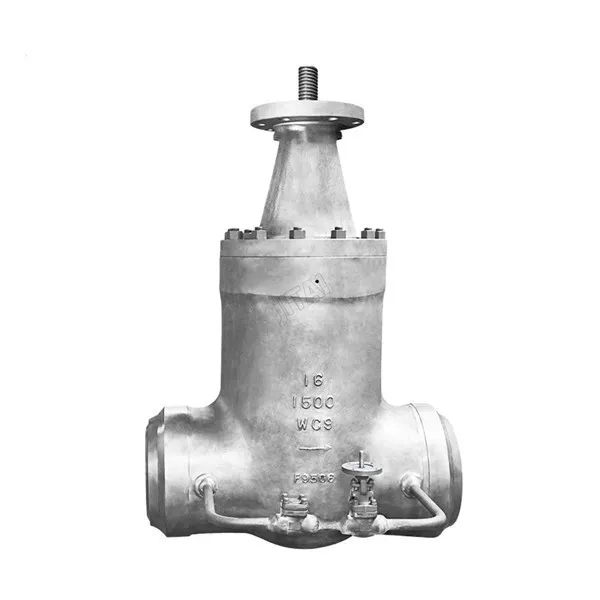
In addition to check valves, we also supply other types of high - quality valves. For example, we have Flanged Angle Globe Valves which are designed for precise flow control in various applications. Our Cast Steel Trunnion Mounted Ball Valves are suitable for high - pressure and high - temperature applications, offering reliable shut - off capabilities. And our Alloy Steel Pressure Seal Gate Valve is ideal for systems that require a strong and durable valve to handle high - pressure fluids.
Conclusion
The pressure rating of a check valve is a critical specification that directly affects the safety, efficiency, and performance of fluid systems. As a check valves supplier, we are committed to providing our customers with high - quality valves that meet the appropriate pressure ratings. Whether you are working on a small - scale project or a large - scale industrial application, we can help you select the right check valve and other related valves for your needs.
If you are interested in our check valves or other valve products, please feel free to contact us for more information and to start a procurement discussion. We look forward to working with you to ensure the success of your projects.

References
- "Valve Handbook" by J. Paul Tullis.
- Industry standards and regulations related to valve pressure ratings.


