Steam wedge gate valves are crucial components in various industrial systems, especially those dealing with steam transportation and control. As a supplier of steam wedge gate valves, I've witnessed firsthand the impact of steam pressure fluctuations on these valves. In this blog, I'll delve into the effects of steam pressure fluctuations on steam wedge gate valves, offering insights into how these variations can influence valve performance, durability, and overall system efficiency.
Understanding Steam Wedge Gate Valves
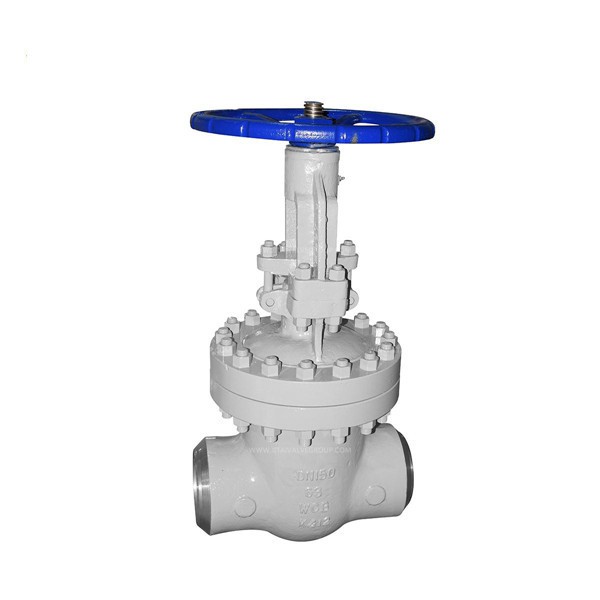
Before we explore the effects of steam pressure fluctuations, it's essential to understand what steam wedge gate valves are and how they function. These valves are designed to control the flow of steam in pipelines by using a wedge-shaped gate that moves up and down to open or close the valve. They are commonly used in high-pressure steam applications due to their ability to provide a tight shut-off and reliable flow control.
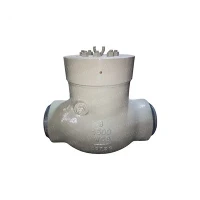
We offer a wide range of steam wedge gate valves, including Alloy Steel Wedge Gate Valves, Cast Steel Wedge Gate Valves, and Manual Wedge Gate Valves. Each type is engineered to meet specific industrial requirements, ensuring optimal performance and longevity.
Effects of Steam Pressure Fluctuations
1. Seal Integrity
One of the primary concerns with steam pressure fluctuations is the impact on the valve's seal integrity. When the steam pressure fluctuates, it can cause the valve seat and gate to experience uneven forces. This uneven stress can lead to wear and tear on the sealing surfaces, resulting in leaks over time. A leaky valve not only compromises the efficiency of the steam system but can also pose safety risks, as steam leaks can cause burns and other hazards.
For example, if the steam pressure suddenly increases, the gate may be forced against the seat with greater force, potentially damaging the sealing material. Conversely, a sudden drop in pressure can cause the gate to move slightly, allowing steam to bypass the seal. To mitigate these risks, our steam wedge gate valves are designed with high-quality sealing materials and precision machining to ensure a tight and reliable seal, even under fluctuating pressure conditions.
2. Gate and Seat Erosion
Steam pressure fluctuations can also accelerate the erosion of the valve's gate and seat. High-velocity steam flow, which can occur during pressure changes, can carry abrasive particles that wear away the valve components. Erosion can lead to a reduction in the valve's flow capacity, increased pressure drop, and ultimately, valve failure.
In applications where steam contains impurities or condensate, the risk of erosion is even higher. The presence of water droplets in the steam can cause cavitation, a phenomenon where vapor bubbles form and collapse, creating shockwaves that can damage the valve surfaces. To combat erosion, we use advanced materials and coatings in our valve manufacturing process. These materials are resistant to wear and corrosion, extending the lifespan of the valve and reducing maintenance requirements.
3. Actuator Stress
Steam pressure fluctuations can put additional stress on the valve actuator, which is responsible for opening and closing the valve. In manual valves, the operator may find it more difficult to operate the valve when the pressure is fluctuating, as the force required to move the gate can vary significantly. In automated valves, the actuator may experience increased wear and tear due to the constant adjustment needed to maintain the desired valve position.

For electric or pneumatic actuators, sudden pressure changes can cause the actuator to work harder, leading to increased energy consumption and potential mechanical failures. To address this issue, we offer actuators that are specifically designed to handle the dynamic forces associated with steam pressure fluctuations. These actuators are equipped with advanced control systems that can adjust the valve position quickly and accurately, ensuring smooth operation and reliable performance.
4. System Efficiency
Fluctuating steam pressure can also have a negative impact on the overall efficiency of the steam system. When the valve is not operating at its optimal performance due to pressure variations, it can cause a decrease in steam flow rate and an increase in pressure drop. This inefficiency can result in higher energy consumption, increased operating costs, and reduced productivity.
For example, if the valve is not fully open during a pressure drop, the steam flow may be restricted, leading to a decrease in the amount of steam available for the process. On the other hand, if the valve is not closing properly during a pressure increase, steam may be wasted, increasing energy costs. By providing high-quality steam wedge gate valves that can withstand pressure fluctuations, we help our customers improve the efficiency of their steam systems and reduce their energy consumption.
Mitigating the Effects of Steam Pressure Fluctuations
1. Valve Selection
Proper valve selection is crucial in mitigating the effects of steam pressure fluctuations. When choosing a steam wedge gate valve, it's important to consider the maximum and minimum operating pressures, as well as the frequency and amplitude of the pressure variations. Our team of experts can help you select the right valve for your specific application, taking into account all these factors to ensure optimal performance and reliability.
2. Regular Maintenance
Regular maintenance is essential to keep steam wedge gate valves in good working condition. This includes inspecting the valve for signs of wear, cleaning the valve components, and replacing any damaged parts. By performing routine maintenance, you can detect and address potential issues before they become major problems, extending the lifespan of the valve and reducing the risk of valve failure.
3. Pressure Regulation
Installing pressure regulation devices, such as pressure reducing valves and pressure relief valves, can help stabilize the steam pressure in the system. These devices can prevent excessive pressure variations, reducing the stress on the steam wedge gate valves and other system components. By maintaining a consistent pressure, you can improve the performance and longevity of the valve, as well as the overall efficiency of the steam system.
Conclusion
Steam pressure fluctuations can have a significant impact on the performance and durability of steam wedge gate valves. From seal integrity and erosion to actuator stress and system efficiency, the effects of pressure variations can be far-reaching. As a supplier of high-quality steam wedge gate valves, we understand the challenges posed by steam pressure fluctuations and are committed to providing solutions that address these issues.
Our Alloy Steel Wedge Gate Valves, Cast Steel Wedge Gate Valves, and Manual Wedge Gate Valves are designed to withstand the rigors of steam applications, even under fluctuating pressure conditions. By using advanced materials, precision engineering, and innovative design, we ensure that our valves provide reliable performance and long service life.
If you're looking for a reliable supplier of steam wedge gate valves, we invite you to contact us for more information. Our team of experts can help you select the right valve for your application and provide you with the support and service you need to keep your steam system running smoothly.
References
- "Valve Selection and Sizing Handbook" by John R. Cameron
- "Steam System Optimization" by ASME (American Society of Mechanical Engineers)
- "Industrial Valve Technology" by Peter R. N. Childs