As a seasoned supplier of Globe Valves, I am often asked about the opening and closing time of these essential components in fluid control systems. Understanding the opening and closing time of a globe valve is crucial for various industrial applications, as it directly impacts the efficiency, safety, and performance of the entire system.
Factors Influencing the Opening and Closing Time
The opening and closing time of a globe valve is influenced by several factors, including the valve design, actuator type, fluid properties, and system requirements. Let's delve into each of these factors to gain a better understanding.
Valve Design
The design of a globe valve plays a significant role in determining its opening and closing time. Globe valves come in different types, such as straight - through, angle, and y - pattern. The flow path and internal structure of these valves affect the speed at which the valve can open or close. For instance, an angle globe valve may have a more direct flow path compared to a straight - through globe valve, which can potentially result in faster opening and closing times in certain applications.
Our company offers a wide range of globe valve designs, including Stainless Steel Angle Globe Valves. These valves are engineered with precision to ensure optimal performance and efficient opening and closing operations.
Actuator Type
The actuator is responsible for operating the globe valve, and its type can greatly impact the opening and closing time. There are several types of actuators available, such as manual, electric, pneumatic, and hydraulic actuators.
- Manual Actuators: Manual actuators rely on human effort to open and close the valve. The opening and closing time with a manual actuator can be relatively slow, as it depends on the strength and speed of the operator. However, manual actuators are often used in applications where a slow and controlled operation is required, or in situations where power sources are not readily available.
- Electric Actuators: Electric actuators offer a high degree of control and can provide relatively fast opening and closing times. They are powered by electricity and can be programmed to operate at specific speeds and intervals. Electric actuators are suitable for applications where precise control and automation are essential.
- Pneumatic Actuators: Pneumatic actuators use compressed air to operate the valve. They are known for their fast response times and are commonly used in applications where quick opening and closing are required, such as in emergency shutdown systems.
- Hydraulic Actuators: Hydraulic actuators use hydraulic fluid to generate the force needed to open and close the valve. They can provide high torque and are capable of operating large - sized globe valves. Hydraulic actuators are often used in heavy - duty industrial applications where high - force operation is necessary.
Fluid Properties
The properties of the fluid flowing through the globe valve, such as viscosity, density, and pressure, can also affect the opening and closing time. For example, a highly viscous fluid may require more force to move through the valve, which can result in a slower opening and closing time. Similarly, high - pressure fluids may put additional stress on the valve and actuator, potentially affecting the speed of operation.


System Requirements
The specific requirements of the system in which the globe valve is installed also play a role in determining the opening and closing time. For instance, in a process where a rapid change in flow rate is required, a globe valve with a fast opening and closing time may be necessary. On the other hand, in a system where a gradual change in flow is desired, a slower - acting valve may be more appropriate.
Measuring the Opening and Closing Time
Measuring the opening and closing time of a globe valve is an important step in ensuring its proper operation. There are several methods available for measuring this time, including the use of sensors and timing devices.
- Sensor - Based Measurement: Sensors can be installed on the valve or actuator to detect the position of the valve disc. By monitoring the movement of the valve disc, the opening and closing time can be accurately measured. These sensors can be connected to a control system, which can record and analyze the data for further evaluation.
- Timing Devices: Timing devices, such as stopwatches or electronic timers, can also be used to measure the opening and closing time. This method is relatively simple and can provide a basic estimate of the time required for the valve to open and close.
Importance of Optimal Opening and Closing Time
Having an optimal opening and closing time for a globe valve is crucial for several reasons:
- System Efficiency: A valve with the right opening and closing time can ensure that the fluid flow is controlled precisely, which can improve the overall efficiency of the system. For example, in a heating or cooling system, a globe valve with a fast response time can quickly adjust the flow of the heating or cooling medium, resulting in better temperature control and energy savings.
- Safety: In emergency situations, a globe valve with a fast opening or closing time can be critical for shutting off the flow of hazardous fluids or preventing over - pressure conditions. This can help to protect personnel and equipment from potential damage.
- Product Quality: In manufacturing processes, the precise control of fluid flow through a globe valve can have a direct impact on the quality of the final product. A valve with an appropriate opening and closing time can ensure that the right amount of fluid is delivered at the right time, resulting in consistent product quality.
Our Globe Valve Solutions
As a leading supplier of globe valves, we offer a comprehensive range of products to meet the diverse needs of our customers. Our valves are designed and manufactured to the highest standards, ensuring reliable performance and optimal opening and closing times.
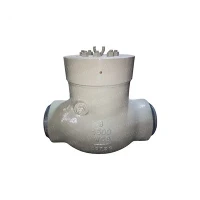
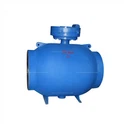
In addition to our globe valves, we also provide Cast Steel Metal Seated Ball Valves and Cast Steel Pressure Seal Gate Valves. These valves are suitable for a wide range of industrial applications and are engineered to deliver exceptional performance.
If you are looking for high - quality globe valves or other valve solutions, we invite you to contact us for a detailed discussion about your specific requirements. Our team of experts is ready to assist you in selecting the right valve for your application and ensuring that it operates with the optimal opening and closing time.
Conclusion
The opening and closing time of a globe valve is influenced by multiple factors, including valve design, actuator type, fluid properties, and system requirements. Understanding these factors and measuring the opening and closing time accurately is essential for ensuring the efficient, safe, and reliable operation of the valve and the entire system.
As a trusted supplier of globe valves and other industrial valves, we are committed to providing our customers with the best - in - class products and services. Whether you need a valve for a small - scale application or a large - scale industrial project, we have the expertise and resources to meet your needs.
Contact us today to start a conversation about your valve requirements and let us help you find the perfect solution for your application.
References
- ASME standards for valve design and performance.
- API standards related to industrial valves.
- Technical literature on fluid control systems and valve operation.