When it comes to butterfly valves, one of the crucial decisions in their operation and control is choosing between pneumatic and electric actuators. As a reputable butterfly valves supplier, I've witnessed firsthand the diverse needs of our customers and the importance of making an informed choice between these two types of actuators. In this blog, I'll delve into the key differences between pneumatic and electric actuators for butterfly valves, helping you understand which option might be the best fit for your specific applications.
Working Principle
Let's start by examining the fundamental working principles of pneumatic and electric actuators.


Pneumatic actuators use compressed air to generate motion. They typically consist of a piston or diaphragm inside a cylinder. When compressed air is introduced into one side of the piston or diaphragm, it creates a pressure differential that causes the piston to move. This linear motion is then converted into rotational motion to open or close the butterfly valve. The simplicity of this mechanism makes pneumatic actuators reliable and easy to understand.
On the other hand, electric actuators rely on an electric motor to drive the valve. The motor rotates a gearbox or a lead screw, which in turn moves the valve stem to open or close the butterfly valve. Electric actuators can be programmed to provide precise control over the valve position, speed, and torque. They offer a high level of automation and can be integrated into complex control systems.
Speed and Response Time
Speed and response time are important factors to consider, especially in applications where rapid valve operation is required.
Pneumatic actuators are known for their fast response times. Compressed air can quickly fill the actuator cylinder, allowing the valve to open or close in a matter of seconds. This makes them ideal for applications such as emergency shutdown systems, where a rapid response is critical to prevent accidents or damage.
Electric actuators, while generally slower than pneumatic actuators, can still provide relatively fast operation. The speed of an electric actuator depends on the power of the motor and the design of the gearbox. In some cases, electric actuators can be customized to achieve faster operation speeds. However, they may require additional time for the motor to start up and reach full speed, which can be a drawback in applications where immediate response is needed.
Torque and Force
Torque and force are essential for ensuring that the actuator can overcome the resistance of the valve and operate it effectively.
Pneumatic actuators can generate high torque outputs, especially in larger sizes. The force generated by the compressed air acting on the piston or diaphragm can be adjusted by controlling the air pressure. This makes pneumatic actuators suitable for applications where high torque is required, such as large butterfly valves or valves with high differential pressures.
Electric actuators also offer a wide range of torque capabilities. The torque output of an electric actuator depends on the power of the motor and the gear ratio of the gearbox. Electric actuators can be designed to provide high torque outputs, but they may require larger motors and more power consumption compared to pneumatic actuators.
Precision and Control
Precision and control are crucial in applications where accurate valve positioning is required.
Electric actuators excel in this area. They can be programmed to provide precise control over the valve position, allowing for accurate flow regulation. Electric actuators can also be integrated with feedback sensors to monitor the valve position and adjust the motor operation accordingly. This makes them ideal for applications such as chemical processing, where precise control of fluid flow is essential for product quality and safety.
Pneumatic actuators, while capable of providing some level of control, are generally less precise than electric actuators. The control of pneumatic actuators is typically achieved through the use of pressure regulators and flow control valves, which can be less accurate compared to the electronic control systems used in electric actuators. However, in applications where approximate control is sufficient, pneumatic actuators can still provide reliable operation.
Cost and Maintenance
Cost and maintenance are important considerations for any industrial application.
Pneumatic actuators are generally less expensive than electric actuators. The initial cost of a pneumatic actuator is lower, and the compressed air supply system is relatively simple and inexpensive to install. Additionally, pneumatic actuators have fewer moving parts, which reduces the likelihood of mechanical failures and lowers the maintenance requirements.
Electric actuators, on the other hand, have a higher initial cost. They require an electrical power supply and may need additional components such as motor controllers and feedback sensors. However, electric actuators offer long-term cost savings in applications where precise control and automation are required. They also have a longer service life and require less frequent maintenance compared to pneumatic actuators.
Environmental Considerations
Environmental factors can also influence the choice between pneumatic and electric actuators.
Pneumatic actuators are suitable for use in hazardous environments where the risk of explosion or fire is present. Compressed air is a clean and safe power source, and pneumatic actuators can be designed to meet strict safety standards. However, pneumatic actuators require a reliable compressed air supply, which may not be available in all locations.
Electric actuators are generally more suitable for indoor applications or environments where electrical power is readily available. They can be designed to be explosion-proof and can operate in a wide range of temperatures and humidity levels. However, electric actuators may be more sensitive to electrical interference and require proper grounding and shielding to ensure reliable operation.
Applications
The choice between pneumatic and electric actuators depends on the specific requirements of the application.
Pneumatic actuators are commonly used in applications such as:
- Emergency shutdown systems
- On-off control applications
- High-speed valve operation
- Hazardous environments
Electric actuators are often preferred in applications such as:
- Precise flow control
- Automation and integration with control systems
- Remote operation
- Indoor applications
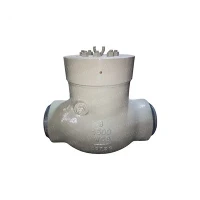
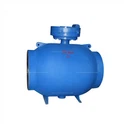
As a butterfly valves supplier, we offer a wide range of butterfly valves with both pneumatic and electric actuators. Our Stainless Steel Metal Seated Ball Valves are designed for high-pressure and high-temperature applications, while our Butt Weld Triple Offset Butterfly Valves provide excellent sealing performance and long service life. We also offer Oil Trunnion Mounted Ball Valves for use in the oil and gas industry.
If you're in the market for butterfly valves or need assistance in choosing the right actuator for your application, please don't hesitate to contact us. Our team of experts is ready to help you make an informed decision and provide you with the best solutions for your needs.
References
- [Valve Actuator Handbook](publisher name, year)
- [Industrial Valve Technology](author name, publisher name, year)
- [Pneumatic and Electric Actuator Design and Application](author name, publisher name, year)