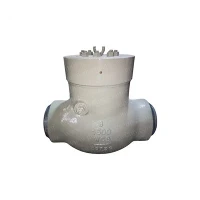
Selecting the appropriate valve body material for Y Pattern Globe Valves is a critical decision that significantly impacts the valve's performance, durability, and cost - effectiveness. As a reliable supplier of Y Pattern Globe Valves, I understand the importance of this choice and the challenges it presents to our customers. In this blog, I will delve into how to select the right valve body material based on fluid properties.
Understanding Fluid Properties
Fluid properties play a pivotal role in determining the ideal valve body material. Here are some key fluid characteristics to consider:
Chemical Composition
The chemical nature of the fluid is perhaps the most crucial factor. Different fluids interact differently with various materials. For example, if the fluid contains corrosive chemicals such as acids or alkalis, using a material that is susceptible to corrosion will lead to rapid degradation of the valve. In such cases, materials with high corrosion - resistance are required. Stainless steel is a popular choice for handling mildly corrosive fluids due to its chromium content, which forms a passive oxide layer on the surface, protecting it from further corrosion.
Temperature
The temperature of the fluid can have a profound effect on the mechanical properties of the valve body material. High - temperature fluids can cause materials to expand, lose their strength, and become more prone to creep deformation. For high - temperature applications, materials like alloy steel are often preferred. Alloy steels are designed to maintain their strength and integrity at elevated temperatures. On the other hand, extremely low - temperature fluids can make some materials brittle. Cryogenic services require materials that can withstand low - temperature embrittlement, such as certain grades of stainless steel or specialty alloys.
Pressure
The pressure exerted by the fluid also influences the choice of valve body material. High - pressure fluids require materials with high strength to prevent valve failure due to bursting or leakage. Cast steel and forged steel are commonly used for high - pressure applications because they have good mechanical properties and can withstand the stresses associated with high pressures.
Solids Content
If the fluid contains solid particles, such as sand or slurry, the valve body material needs to be wear - resistant. Hardened steels or materials with a ceramic lining can be used to resist the abrasive action of the solids. These materials can extend the service life of the valve and reduce maintenance requirements.
Common Valve Body Materials for Y Pattern Globe Valves and Their Suitability
Carbon Steel
Carbon steel is one of the most widely used materials for Y Pattern Globe Valves. It offers good strength, toughness, and is relatively inexpensive. Carbon Steel Y Pattern Globe Valves are suitable for applications where the fluid is non - corrosive, such as water, steam, and air. However, carbon steel is prone to corrosion when exposed to corrosive environments, so it may require additional protective coatings or linings in such cases.
Stainless Steel
Stainless steel, with its excellent corrosion - resistance, is a popular choice for applications involving corrosive fluids. Different grades of stainless steel offer varying levels of corrosion resistance. For example, 304 stainless steel is suitable for mildly corrosive environments, while 316 stainless steel, which contains molybdenum, provides better resistance to pitting and crevice corrosion and is often used in more aggressive chemical applications.
Alloy Steel
Alloy steel contains various alloying elements such as chromium, molybdenum, and nickel, which enhance its mechanical properties, including strength, hardness, and heat resistance. Alloy Steel Y Pattern Globe Valves are well - suited for high - temperature and high - pressure applications, such as in power generation and oil refineries.
Cast Steel
Cast steel is produced by casting molten steel into a mold, which allows for the production of complex valve body shapes. Cast Steel Y Pattern Globe Valves combine good strength with the ability to be manufactured in large sizes. They are commonly used in a wide range of industrial applications, including water treatment, chemical processing, and oil and gas.
Step - by - Step Selection Process
Define the Fluid Parameters
The first step is to accurately define the fluid properties, including its chemical composition, temperature, pressure, and solids content. This information can usually be obtained from process data sheets or by working closely with the customer's engineering team.
Evaluate Material Compatibility
Based on the fluid properties, evaluate the compatibility of different valve body materials. Consider the corrosion resistance, temperature resistance, pressure resistance, and wear resistance requirements. For example, if the fluid is a highly corrosive acid at a high temperature, a high - alloy stainless steel or a specialized corrosion - resistant alloy may be the best choice.
Consider Cost and Availability
While performance is crucial, cost and availability also need to be considered. Some high - performance materials can be expensive and may have long lead times. Balance the need for the optimal material with the project's budget and schedule. In some cases, a less expensive material with appropriate protective measures may be a viable alternative.
Review Industry Standards and Regulations
Ensure that the selected valve body material complies with relevant industry standards and regulations. For example, in the food and beverage industry, valves must be made of materials that are approved for contact with food products.


Case Studies
Case 1: Water Treatment Plant
In a water treatment plant, the main fluid is water, which is generally non - corrosive. However, the water may contain some dissolved solids and chemicals. Carbon steel Y Pattern Globe Valves can be a suitable choice for most applications in the plant. They offer good strength and are cost - effective. For areas where the water has a slightly higher chlorine content, 304 stainless steel valves can be used to prevent corrosion.
Case 2: Chemical Processing Plant
A chemical processing plant deal with a variety of corrosive chemicals. For handling hydrochloric acid, a valve body made of Hastelloy, a nickel - based alloy with excellent corrosion resistance, may be required. This ensures that the valve can withstand the highly corrosive nature of the acid and maintain its functionality over a long period.
Conclusion
Selecting the right valve body material for Y Pattern Globe Valves based on fluid properties is a complex but essential process. By understanding the fluid's chemical composition, temperature, pressure, and solids content, evaluating material compatibility, considering cost and availability, and reviewing industry standards, you can make an informed decision. As a reliable Y Pattern Globe Valves supplier, we are committed to helping our customers choose the most suitable valve body material for their specific applications. If you are in the process of selecting valves for your project or need more information about our products, feel free to contact us for in - depth discussions and potential procurement consultations.
References
- Valve Handbook, 5th Edition, by Valve Manufacturers Association of America (VMAA).
- Corrosion Handbook, edited by Herbert H. Uhlig.
- ASME Boiler and Pressure Vessel Code for valve design and material requirements.