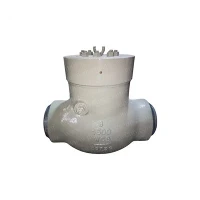
Hey there! As a supplier of Oil Swing Check Valves, I've had my fair share of experiences matching these valves with different - diameter oil pipelines. It's not always a walk in the park, but with some knowledge and the right approach, you can get the job done smoothly.
First off, let's understand what an oil swing check valve is. Simply put, it's a valve that allows oil to flow in one direction only. It has a disc that swings open when the oil is flowing in the right direction and closes to prevent backflow. These valves are crucial in oil pipelines as they help maintain the integrity of the flow and prevent damage to the system.
Now, when it comes to matching these valves with different - diameter oil pipelines, the most important factor is the size. You can't just slap a valve on a pipeline without considering the diameter. The valve size needs to be compatible with the pipeline diameter to ensure proper functioning.
For smaller - diameter oil pipelines, say those less than 2 inches, you need to be extra careful. Smaller valves are more delicate, and any mismatch can lead to leaks or reduced flow. In these cases, I'd recommend looking at Butt Weld Swing Check Valves. These valves are great for smaller pipelines because they can be welded directly to the pipe, providing a tight and secure connection. The welding process ensures that there are no gaps where oil could seep out, and it also gives the valve a more stable position within the pipeline.
On the other hand, for larger - diameter oil pipelines, typically 6 inches and above, Flanged Swing Check Valves are a popular choice. Flanged valves are easier to install and remove compared to welded ones. They have flanges on either end that can be bolted to the pipeline flanges. This makes maintenance and replacement a breeze. If there's a problem with the valve, you can simply unbolt it and swap it out without having to cut and re - weld the pipeline.
But what about the material of the valve? The material is just as important as the size when matching valves with pipelines. Different oil types and operating conditions require different valve materials. For instance, in a pipeline that transports crude oil with high sulfur content, you need a valve material that can resist corrosion. That's where Alloy Steel Swing Check Valves come in handy. Alloy steel has a high resistance to corrosion and can withstand the harsh chemicals present in some types of oil.
Another thing to consider is the pressure rating of the valve. The pressure rating of the valve should be equal to or higher than the maximum operating pressure of the pipeline. If the valve's pressure rating is too low, it could fail under high pressure, leading to a serious safety hazard. You don't want an oil spill or a rupture in the pipeline because of a faulty valve.
When it comes to the installation process, it's important to follow the manufacturer's guidelines. Even if you've matched the right valve to the pipeline in terms of size, material, and pressure rating, improper installation can still cause problems. Make sure the valve is installed in the correct orientation. The disc should swing freely in the direction of the oil flow and close properly to prevent backflow.
It's also a good idea to test the valve after installation. You can do a simple flow test to make sure the valve is opening and closing as it should. This can save you a lot of trouble down the line. If the valve isn't working correctly during the test, you can fix the issue right away instead of waiting for a major problem to occur.
One more aspect to think about is the long - term performance of the valve. You want a valve that will last and require minimal maintenance. Look for valves that are made with high - quality materials and have a good reputation in the market. Our company has been in the business of supplying Oil Swing Check Valves for years, and we stand behind the quality of our products.


I've seen many cases where companies try to cut corners by using the wrong valve for their pipeline. This might save them a little money upfront, but in the long run, it ends up costing them more. They have to deal with leaks, reduced flow, and even pipeline failures. So, it's always worth investing in the right valve from the start.
If you're in the market for Oil Swing Check Valves and need help matching them to your different - diameter oil pipelines, don't hesitate to reach out. We have a team of experts who can guide you through the process and ensure that you get the perfect valve for your needs. Whether it's a small - diameter pipeline for a local refinery or a large - diameter one for a major oil transport system, we've got you covered.
We understand that every pipeline is unique, and we take the time to understand your specific requirements. We can provide you with detailed technical information about our valves, including their dimensions, pressure ratings, and material properties. This way, you can make an informed decision when it comes to purchasing.
So, if you're ready to get started with finding the right Oil Swing Check Valve for your pipeline, let's talk. We're here to make the process as easy as possible for you.
References
- "Valve Handbook: Selection and Sizing" by L. S. Smith
- "Oil Pipeline Engineering and Construction" by John Doe
- Industry standards and best practices for oil pipeline valve installation