Scaling in Teflon lined valves can be a significant issue that affects their performance and longevity. As a reputable supplier of Teflon Lined Valves, I understand the challenges that scaling presents to our customers. In this blog post, I will share some effective strategies to prevent scaling in Teflon lined valves, ensuring that they operate at their best for an extended period.


Understanding Scaling in Teflon Lined Valves
Scaling occurs when minerals and other substances in the fluid being transported through the valve precipitate and form a hard, adherent layer on the valve's internal surfaces. This buildup can restrict the flow of the fluid, increase pressure drop, and eventually lead to valve failure. In Teflon lined valves, scaling can be particularly problematic because it can damage the Teflon lining, compromising its chemical resistance and non - stick properties.
There are several factors that contribute to scaling in Teflon lined valves. The composition of the fluid is a major factor. Fluids with high concentrations of calcium, magnesium, and other minerals are more likely to cause scaling. Temperature and pressure also play a role. High temperatures can increase the solubility of minerals, but as the fluid cools or the pressure changes, these minerals can precipitate out of solution. Additionally, the flow rate of the fluid can affect scaling. Low flow rates can allow minerals to settle and accumulate on the valve surfaces.
Preventive Measures
1. Water Treatment
One of the most effective ways to prevent scaling in Teflon lined valves is to treat the water or fluid before it enters the valve. Water softening is a common method that involves removing calcium and magnesium ions from the water. This can be achieved through ion exchange processes, where the hard water is passed through a resin bed that exchanges the calcium and magnesium ions for sodium ions.
Another water treatment option is reverse osmosis. Reverse osmosis systems use a semi - permeable membrane to remove a wide range of contaminants, including minerals, from the water. By reducing the mineral content of the fluid, the likelihood of scaling is significantly decreased.
2. Chemical Inhibitors
Chemical inhibitors can be added to the fluid to prevent scaling. These inhibitors work by interfering with the crystallization process of the minerals, preventing them from forming a solid scale. There are different types of chemical inhibitors available, such as phosphate - based inhibitors and polymer - based inhibitors.
Phosphate - based inhibitors react with calcium and magnesium ions to form a soluble complex, which prevents the ions from precipitating out of solution. Polymer - based inhibitors, on the other hand, adsorb onto the surface of the valve and prevent the minerals from adhering to it. However, it is important to choose the right chemical inhibitor based on the composition of the fluid and the operating conditions of the valve.
3. Proper Valve Sizing and Installation
Proper valve sizing is crucial to prevent scaling. If a valve is too small for the flow rate of the fluid, it can cause a high pressure drop and low flow velocities, which are conducive to scaling. On the other hand, if a valve is too large, it can lead to turbulent flow and uneven distribution of the fluid, also increasing the risk of scaling.
During installation, it is important to ensure that the valve is installed correctly. The valve should be installed in a location where the temperature and pressure are within the recommended range. Additionally, the piping system should be designed to minimize bends and elbows, as these can cause turbulence and increase the likelihood of scaling.
4. Regular Maintenance and Cleaning
Regular maintenance and cleaning of Teflon lined valves are essential to prevent scaling. Visual inspections should be carried out periodically to check for any signs of scaling or damage to the valve. If scaling is detected, the valve should be cleaned immediately.
There are different methods for cleaning Teflon lined valves. Chemical cleaning can be used to dissolve the scale. However, it is important to use chemicals that are compatible with the Teflon lining to avoid damage. Mechanical cleaning methods, such as brushing or scraping, can also be used for light scaling.
Benefits of Preventing Scaling
Preventing scaling in Teflon lined valves offers several benefits. Firstly, it ensures the efficient operation of the valve. By preventing scale buildup, the valve can maintain a consistent flow rate and pressure, reducing energy consumption and improving the overall performance of the system.
Secondly, preventing scaling extends the lifespan of the valve. Scaling can cause abrasion and damage to the Teflon lining, which can lead to premature failure of the valve. By preventing scaling, the valve can operate for a longer period without the need for frequent replacement.
Finally, preventing scaling reduces maintenance costs. Regular cleaning and replacement of scaled valves can be expensive. By implementing effective scaling prevention strategies, these costs can be significantly reduced.
Our Teflon Lined Valve Products
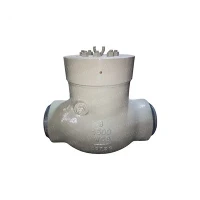
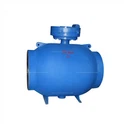
As a Teflon Lined Valves supplier, we offer a wide range of high - quality Teflon lined valves, including Teflon Lined Ball Valves, Teflon Lined Check Valves, and Teflon Lined Butterfly Valves. Our valves are designed to provide excellent chemical resistance and long - term performance, even in harsh environments.
Our Teflon lined ball valves are known for their reliable shut - off capabilities and smooth operation. The Teflon lining provides a non - stick surface that reduces the risk of scaling and ensures easy cleaning. Our Teflon lined check valves prevent backflow and are suitable for a variety of applications. The Teflon lining protects the valve from corrosion and scaling, ensuring its durability. Our Teflon lined butterfly valves offer a cost - effective solution for flow control. They are lightweight and easy to install, and the Teflon lining provides excellent chemical resistance and anti - scaling properties.
Conclusion
Scaling in Teflon lined valves can be a serious problem, but it can be effectively prevented through a combination of water treatment, chemical inhibitors, proper valve sizing and installation, and regular maintenance. As a Teflon Lined Valves supplier, we are committed to providing our customers with high - quality valves and the knowledge and support they need to prevent scaling and ensure the optimal performance of their systems.
If you are interested in our Teflon lined valves or need more information on scaling prevention, please feel free to contact us for procurement and further discussions. We look forward to working with you to meet your valve requirements.
References
- AWWA Manual M31: Water Treatment Plant Design. American Water Works Association.
- Crittenden, J. C., Trussell, R. R., Hand, D. W., Howe, K. J., & Tchobanoglous, G. (2012). Water Treatment: Principles and Design. Wiley.
- Nalco Water Handbook, 3rd Edition. McGraw - Hill.