Hey there! As a supplier of Oil Floating Ball Valves, I often get asked whether these valves have good corrosion resistance. It's a crucial question, especially when you're dealing with harsh environments and corrosive substances. In this blog, I'll break down the factors that affect the corrosion resistance of oil floating ball valves and share some insights on how to ensure you get the best performance.
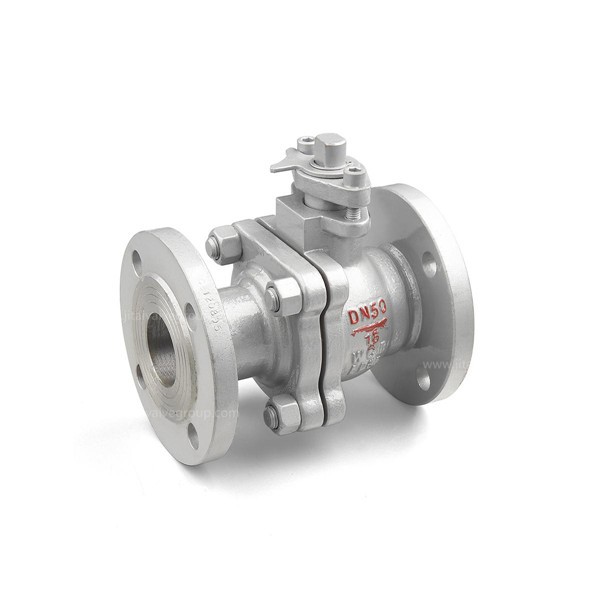
First off, let's understand what oil floating ball valves are. These valves are widely used in the oil and gas industry to control the flow of fluids. They consist of a ball with a hole in the middle that rotates to open or close the valve. The ball is floating, which means it's not fixed in place and can move slightly to seal against the seats. This design makes them highly effective in regulating the flow of oil and other fluids.
Now, let's dive into the corrosion resistance aspect. The corrosion resistance of oil floating ball valves depends on several factors, including the materials used, the operating environment, and the surface treatment.
Materials
The choice of materials plays a significant role in determining the corrosion resistance of the valve. Common materials used for oil floating ball valves include carbon steel, stainless steel, and alloy steel.
- Carbon Steel Floating Ball Valves: Carbon steel is a popular choice due to its strength and affordability. However, it's prone to corrosion, especially in environments with high humidity or exposure to corrosive chemicals. If you're considering carbon steel valves, you might want to check out Carbon Steel Floating Ball Valves for more information.
- Stainless Steel: Stainless steel is known for its excellent corrosion resistance. It contains chromium, which forms a passive oxide layer on the surface, protecting it from rust and corrosion. This makes stainless steel a great option for applications where corrosion is a concern.
- Alloy Steel: Alloy steel is a combination of different metals, which can enhance its corrosion resistance and other properties. For example, adding nickel or molybdenum can improve the valve's resistance to pitting and crevice corrosion.
Operating Environment
The operating environment also has a big impact on the corrosion resistance of the valve. Here are some common factors to consider:

- Temperature: High temperatures can accelerate the corrosion process. In addition, extreme temperature changes can cause thermal stress, which may lead to cracks and other forms of damage.
- Humidity: Moisture in the air can cause corrosion, especially if the valve is exposed to saltwater or other corrosive substances.
- Chemical Exposure: Contact with chemicals such as acids, alkalis, and salts can corrode the valve. It's important to choose a valve material that can withstand the specific chemicals in your application.
Surface Treatment
Surface treatment can significantly improve the corrosion resistance of the valve. Some common surface treatments include:
- Coating: Applying a protective coating, such as epoxy or polyurethane, can create a barrier between the valve and the corrosive environment.
- Galvanizing: Galvanizing involves coating the valve with a layer of zinc, which provides sacrificial protection against corrosion.
- Passivation: Passivation is a chemical process that removes free iron from the surface of stainless steel, enhancing its corrosion resistance.
So, do oil floating ball valves have good corrosion resistance? Well, it depends. If you choose the right materials, consider the operating environment, and apply appropriate surface treatments, you can get a valve with excellent corrosion resistance.
As a supplier of Oil Floating Ball Valves, I've seen firsthand the importance of corrosion resistance in the oil and gas industry. We offer a wide range of valves made from different materials and with various surface treatments to meet your specific needs.
In addition to corrosion resistance, our oil floating ball valves also offer other benefits, such as high flow capacity, reliable sealing, and easy operation. We also have Manual Floating Ball Valves for applications where manual control is required.
If you're in the market for oil floating ball valves, I encourage you to reach out to us. We can help you choose the right valve for your application and provide you with all the information you need. Whether you're dealing with a small project or a large-scale industrial operation, we're here to assist you.
Don't let corrosion issues derail your project. Invest in high-quality oil floating ball valves with good corrosion resistance, and you'll enjoy long-term performance and reliability.
If you have any questions or need further assistance, feel free to contact us. We're always happy to help!
References
- ASM Handbook Volume 13A: Corrosion: Fundamentals, Testing, and Protection. ASM International.
- Valve Selection Handbook. William A. Nayfeh.
- Handbook of Valves for the Oil and Gas Industry. John P. McKetta.