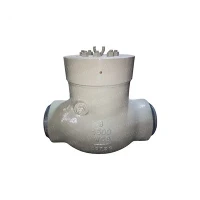
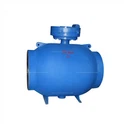
As a reputable supplier of Oil Angle Globe Valves, I often encounter inquiries regarding the working pressure range of these essential components in the oil and gas industry. Understanding the working pressure range is crucial for ensuring the safe and efficient operation of any system that incorporates these valves. In this blog post, I will delve into the factors that influence the working pressure range of Oil Angle Globe Valves, the typical ranges you can expect, and how to select the right valve for your specific application.
Factors Influencing the Working Pressure Range
The working pressure range of Oil Angle Globe Valves is determined by several key factors, each of which plays a significant role in the valve's performance and reliability.
Material Composition
The material used in the construction of the valve body and internal components is one of the most critical factors affecting the working pressure range. Different materials have varying levels of strength and resistance to pressure and corrosion. For example, Cast Steel Angle Globe Valves are known for their durability and ability to withstand high pressures. Cast steel offers excellent mechanical properties, making it suitable for applications where the working pressure is relatively high.
On the other hand, Alloy Steel Angle Globe Valves are designed for more demanding environments. Alloy steel contains additional elements such as chromium, nickel, and molybdenum, which enhance its strength, toughness, and corrosion resistance. These valves can handle even higher pressures and are often used in applications where the fluid being transported is corrosive or the operating conditions are extreme.
Design and Construction
The design and construction of the valve also play a crucial role in determining its working pressure range. A well-designed valve will have a robust structure that can withstand the forces exerted by the fluid under pressure. The valve's seat and disc design, for example, can significantly impact its sealing performance and ability to handle high pressures. A properly designed seat and disc will provide a tight seal, preventing leakage even at high pressures.
The valve's body thickness and wall strength are also important considerations. Thicker walls can provide greater resistance to pressure, reducing the risk of deformation or failure. Additionally, the valve's connections and flanges must be designed to handle the specified pressure range. Properly sized and rated flanges ensure a secure and leak-free connection between the valve and the pipeline.
Operating Temperature
The operating temperature of the fluid being transported through the valve can also affect its working pressure range. As the temperature increases, the fluid's viscosity decreases, which can lead to an increase in pressure. Additionally, high temperatures can cause the valve materials to expand, potentially affecting the valve's sealing performance. Therefore, it is essential to consider the operating temperature when selecting an Oil Angle Globe Valve and ensure that the valve is rated for the specific temperature range.
Typical Working Pressure Ranges
The working pressure range of Oil Angle Globe Valves can vary widely depending on the factors mentioned above. However, in general, these valves are available in a range of pressure ratings to suit different applications.
Low-Pressure Applications
For low-pressure applications, where the working pressure is typically below 100 psi (pounds per square inch), cast iron or bronze angle globe valves may be suitable. These valves are often used in residential and light commercial applications, such as water supply systems and HVAC systems.
Medium-Pressure Applications
In medium-pressure applications, where the working pressure ranges from 100 psi to 1,500 psi, cast steel angle globe valves are commonly used. These valves offer a good balance of strength and cost-effectiveness and are suitable for a wide range of industrial applications, including oil and gas processing, chemical manufacturing, and power generation.
High-Pressure Applications
For high-pressure applications, where the working pressure exceeds 1,500 psi, alloy steel or stainless steel angle globe valves are typically required. These valves are designed to withstand extreme pressures and are often used in critical applications, such as offshore oil and gas production, high-pressure pipelines, and hydraulic systems.
Selecting the Right Valve for Your Application
When selecting an Oil Angle Globe Valve for your application, it is essential to consider the specific requirements of your system. Here are some key factors to keep in mind:
Pressure Rating
The first step in selecting a valve is to determine the required pressure rating. This will depend on the maximum pressure that the valve will be exposed to during normal operation. It is important to select a valve with a pressure rating that exceeds the maximum operating pressure to ensure a safe and reliable system.
Temperature Rating
In addition to the pressure rating, you also need to consider the operating temperature of the fluid. Make sure the valve is rated for the specific temperature range to prevent any issues related to material expansion or degradation.
Flow Rate
The flow rate of the fluid through the valve is another important consideration. The valve's size and design should be selected to ensure that it can handle the required flow rate without causing excessive pressure drop. A properly sized valve will help maintain the efficiency of your system and prevent any unnecessary energy losses.
Fluid Compatibility
The fluid being transported through the valve can have a significant impact on its performance and durability. Make sure the valve materials are compatible with the fluid to prevent corrosion, erosion, or other forms of damage. Consider the chemical composition, viscosity, and temperature of the fluid when selecting the valve materials.
Conclusion
In conclusion, understanding the working pressure range of Oil Angle Globe Valves is essential for ensuring the safe and efficient operation of any system that incorporates these valves. By considering the factors that influence the working pressure range, such as material composition, design and construction, and operating temperature, you can select the right valve for your specific application.
At our company, we offer a wide range of Cast Steel Angle Globe Valves, Alloy Steel Angle Globe Valves, and Pneumatic Angle Globe Valves to meet the diverse needs of our customers. Our valves are designed and manufactured to the highest standards, ensuring reliable performance and long service life.
If you have any questions or need assistance in selecting the right Oil Angle Globe Valve for your application, please do not hesitate to contact us. Our team of experts is always ready to help you find the best solution for your needs.


References
- Valve Handbook, Fifth Edition, by Robert E. McKetta
- API Standards for Valves in the Oil and Gas Industry
- ASME Boiler and Pressure Vessel Code