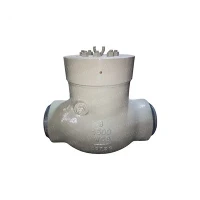
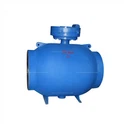
In the realm of industrial valves, API 602 forged valves stand out as reliable and high - performance components. These valves are designed to meet the stringent requirements of various industries, including oil and gas, petrochemical, and power generation. One crucial aspect of API 602 forged valves is their valve handwheel design, which plays a significant role in the operation, safety, and functionality of the valves. As a supplier of API 602 forged valves, I will delve into the details of valve handwheel design in this blog.
The Importance of Valve Handwheel Design
The handwheel is the interface between the operator and the valve. It is used to open and close the valve, control the flow of fluid, and ensure the proper functioning of the valve in a system. A well - designed handwheel can enhance the efficiency of valve operation, improve safety, and reduce the risk of operator error.
Efficiency is a key factor in industrial operations. A handwheel that is easy to grip and turn allows operators to quickly and accurately adjust the valve position. This is especially important in situations where rapid response is required, such as in emergency shutdowns or process control adjustments.
Safety is another critical aspect. A properly designed handwheel should prevent accidental operation. It should have a suitable size, shape, and surface texture to ensure that operators can maintain a firm grip even in harsh working conditions, such as in wet or oily environments. Additionally, the handwheel should be designed to withstand the forces applied during operation without breaking or deforming.
Design Considerations for API 602 Forged Valve Handwheels
Size and Diameter
The size of the handwheel is an important consideration. It should be large enough to provide sufficient leverage for easy operation, especially for valves that require high torque to open or close. However, it should not be too large that it becomes cumbersome or difficult to handle. For API 602 forged valves, the handwheel diameter is typically determined based on the valve size, pressure rating, and the type of operation (manual or automated).
In general, larger valves with higher pressure ratings require larger handwheels. A standard rule of thumb is that the handwheel diameter should be proportional to the valve size. For example, a small - sized API 602 forged valve may have a handwheel diameter of around 100 - 150 mm, while a larger valve could have a handwheel diameter of 300 mm or more.
Shape
The shape of the handwheel can also affect its usability. Common shapes include circular, oval, and star - shaped. Circular handwheels are the most widely used because they provide a uniform grip around the circumference. They are easy to turn and are suitable for most applications.
Oval handwheels can be used in situations where space is limited. They allow for a larger handwheel diameter in a more compact design. Star - shaped handwheels, on the other hand, provide additional grip points, which can be beneficial in applications where a firm grip is crucial, such as in high - vibration environments.
Material
The material of the handwheel is selected based on the application requirements. For API 602 forged valves, common materials include cast iron, steel, and aluminum.
Cast iron handwheels are known for their durability and strength. They are suitable for applications where the handwheel is exposed to high forces and harsh environments. Steel handwheels offer similar strength and are often used in high - pressure applications. Aluminum handwheels are lightweight, which makes them easy to handle. They are also corrosion - resistant, making them a good choice for applications in corrosive environments.
Surface Finish
The surface finish of the handwheel is important for grip and safety. A smooth surface may be slippery, especially in wet or oily conditions. Therefore, handwheels are often designed with a textured surface, such as knurling or ribbing. These textures provide additional friction, allowing operators to maintain a firm grip.
Mounting and Connection
The handwheel must be securely mounted to the valve stem. There are different methods of mounting, including keyed connections, set screws, and splined connections. The choice of mounting method depends on the valve design and the torque requirements. A proper mounting ensures that the handwheel rotates in sync with the valve stem, allowing for accurate control of the valve position.
Types of API 602 Forged Valves and Their Handwheel Designs
API 602 Forged Gate Valves
API 602 Forged Gate Valves are commonly used for on - off service. The handwheel design for gate valves is typically straightforward. It is usually a circular handwheel with a relatively large diameter to provide sufficient leverage for opening and closing the gate. The handwheel is connected to the valve stem, which moves the gate up or down to control the flow.
API 602 Forged Globe Valves
API 602 Forged Globe Valves are used for throttling applications. The handwheel design for globe valves may be more complex compared to gate valves. It needs to allow for precise control of the valve disc position. Some globe valve handwheels may have a graduated scale to indicate the degree of valve opening, which helps operators to accurately adjust the flow rate.
API 602 Forged Check Valves
API 602 Forged Check Valves are designed to prevent backflow. In some cases, check valves may not have a handwheel if they are designed to operate automatically. However, for certain types of check valves that require manual override or testing, a handwheel may be provided. The handwheel design for check valves is similar to that of other valve types, but it may be smaller in size due to the relatively lower torque requirements.


Quality Assurance in Handwheel Design and Manufacturing
As a supplier of API 602 forged valves, we understand the importance of quality assurance in handwheel design and manufacturing. We follow strict quality control procedures to ensure that our handwheels meet the highest standards.
During the design phase, we use advanced engineering software to simulate the performance of the handwheel under different operating conditions. This allows us to optimize the design for strength, usability, and safety.
In the manufacturing process, we use high - quality materials and state - of - the - art manufacturing techniques. Our handwheels are inspected at every stage of production to ensure that they meet the specified dimensions, surface finish, and material properties. We also conduct performance testing on the handwheels to verify their functionality and durability.
Conclusion
The valve handwheel design of API 602 forged valves is a critical aspect that affects the operation, safety, and functionality of the valves. A well - designed handwheel should be easy to use, provide sufficient leverage, and ensure operator safety. At our company, we are committed to providing high - quality API 602 forged valves with optimized handwheel designs.
If you are in the market for API 602 forged valves and are interested in learning more about our products or discussing your specific requirements, we encourage you to contact us for a procurement discussion. Our team of experts is ready to assist you in finding the right valves for your applications.
References
- API 602 Standard for Forged Steel Gate, Globe, and Check Valves
- Industrial Valve Handbook by Valve Manufacturers Association of America