Hey there! As a supplier of Oil Floating Ball Valves, I often get asked about the role of the valve body in these nifty devices. So, I thought I'd take a moment to break it down for you.
First off, let's talk about what an oil floating ball valve is. It's a type of valve that uses a floating ball to control the flow of oil. The ball is usually made of a durable material like stainless steel or brass, and it's designed to float in the oil. When the valve is open, the ball is pushed to one side by the flow of oil, allowing the oil to pass through. When the valve is closed, the ball is pushed back into place, blocking the flow of oil.
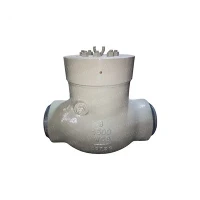
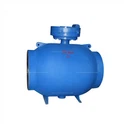
Now, let's get to the main topic: the role of the valve body. The valve body is the outer casing of the valve, and it plays a crucial role in the operation of the valve. Here are some of the key functions of the valve body:
- Housing the Components: The valve body provides a protective housing for all the internal components of the valve, including the ball, stem, and seats. It keeps these components safe from damage and ensures that they can operate smoothly.
- Providing a Seal: The valve body is designed to create a tight seal around the ball and seats, preventing any leakage of oil. This is essential for maintaining the efficiency and safety of the valve.
- Connecting to the Pipeline: The valve body has ports or flanges that allow it to be connected to the pipeline. This ensures that the valve can be easily integrated into the existing oil system.
- Supporting the Stem: The valve body provides support for the stem, which is used to control the movement of the ball. The stem is usually connected to a handle or actuator, which allows the operator to open or close the valve.
- Resisting Pressure and Temperature: The valve body is made of a material that can withstand the high pressure and temperature of the oil. This ensures that the valve can operate safely and effectively in harsh environments.
In addition to these functions, the valve body also plays a role in the overall performance of the valve. For example, the shape and size of the valve body can affect the flow characteristics of the oil. A well-designed valve body can minimize pressure drop and turbulence, which can improve the efficiency of the valve.
Now, let's take a closer look at some of the different types of valve bodies used in oil floating ball valves. There are several different designs available, each with its own advantages and disadvantages. Here are some of the most common types:
- One-Piece Valve Body: This type of valve body is made from a single piece of material, which makes it very strong and durable. It also provides a tight seal and is less likely to leak. However, one-piece valve bodies can be more difficult to manufacture and repair.
- Two-Piece Valve Body: A two-piece valve body consists of two separate pieces that are bolted together. This design makes it easier to manufacture and repair the valve, but it may be more prone to leakage.
- Three-Piece Valve Body: A three-piece valve body is similar to a two-piece valve body, but it has an additional middle section that can be removed for easy access to the internal components. This makes it very easy to clean and maintain the valve.
When choosing an oil floating ball valve, it's important to consider the specific requirements of your application. Factors such as the pressure, temperature, and flow rate of the oil will all affect the choice of valve body. You should also consider the type of material used for the valve body, as this will determine its durability and resistance to corrosion.


At our company, we offer a wide range of Oil Floating Ball Valves to meet the needs of different industries. Our valves are made from high-quality materials and are designed to provide reliable and efficient performance. We also offer Electric Floating Ball Valves and Chemical Floating Ball Valves for specific applications.
If you're in the market for an oil floating ball valve, we'd love to hear from you. Our team of experts can help you choose the right valve for your needs and provide you with all the information you need to make an informed decision. Contact us today to learn more about our products and services.
In conclusion, the valve body plays a crucial role in the operation of oil floating ball valves. It provides a protective housing for the internal components, creates a tight seal, connects to the pipeline, supports the stem, and resists pressure and temperature. By understanding the role of the valve body, you can make an informed decision when choosing an oil floating ball valve for your application.
References:
- "Valve Handbook" by J. Paul Tullis
- "Oil and Gas Pipeline Handbook" by William Lyons