In the realm of fluid control systems, lift check valves play a pivotal role in ensuring the unidirectional flow of fluids, preventing backflow and safeguarding the integrity of the entire system. As a seasoned supplier of lift check valves, I have witnessed firsthand the significance of these valves in a wide range of industries, from oil and gas to water treatment and beyond. One crucial component of a lift check valve is the guide, which serves several essential functions that contribute to the valve's overall performance and reliability.
Understanding the Basics of a Lift Check Valve
Before delving into the role of the guide, it's important to have a basic understanding of how a lift check valve operates. A lift check valve is a type of check valve that uses a disc or piston to control the flow of fluid. When the fluid flows in the forward direction, the pressure of the fluid pushes the disc or piston off its seat, allowing the fluid to pass through the valve. When the flow reverses, the pressure of the backflow forces the disc or piston back onto its seat, preventing the fluid from flowing in the reverse direction.
The disc or piston in a lift check valve is typically guided by a mechanism that ensures it moves in a straight line and seats properly. This is where the guide comes in.
The Primary Role of the Guide
The guide in a lift check valve serves several primary roles, each of which is critical to the valve's proper functioning.
1. Alignment and Stability
One of the most important roles of the guide is to ensure that the disc or piston is properly aligned with the seat. This alignment is crucial for achieving a tight seal when the valve is closed, preventing leakage and ensuring the valve's reliability. Without proper alignment, the disc or piston may not seat correctly, leading to incomplete sealing and potential leakage.
The guide also provides stability to the disc or piston during operation. As the fluid flows through the valve, it exerts forces on the disc or piston, which can cause it to vibrate or move erratically. The guide helps to dampen these vibrations and keep the disc or piston in a stable position, ensuring smooth and consistent operation.
2. Smooth Movement
The guide facilitates the smooth movement of the disc or piston within the valve. It provides a low-friction surface for the disc or piston to slide on, reducing the amount of force required to open and close the valve. This smooth movement is essential for ensuring that the valve responds quickly to changes in flow direction and operates efficiently.
In addition, the guide helps to prevent the disc or piston from getting stuck or jammed, which could cause the valve to malfunction. By providing a clear path for the disc or piston to move, the guide ensures that the valve can operate reliably over an extended period of time.
3. Sealing Performance
The guide plays a crucial role in enhancing the sealing performance of the lift check valve. By keeping the disc or piston properly aligned and providing smooth movement, the guide helps to ensure that the valve can achieve a tight seal when closed. This tight seal is essential for preventing backflow and maintaining the integrity of the fluid control system.
In some lift check valves, the guide may also be designed to help with the initial seating of the disc or piston. For example, it may have a tapered or chamfered surface that helps to guide the disc or piston onto the seat more easily, improving the sealing performance.
Types of Guides in Lift Check Valves
There are several types of guides used in lift check valves, each with its own advantages and disadvantages.
1. Piston Guides
Piston guides are commonly used in lift check valves with a piston-style disc. These guides typically consist of a cylindrical sleeve that surrounds the piston, providing a smooth surface for it to slide on. Piston guides are known for their excellent alignment and stability, making them suitable for applications where precise control of the disc movement is required.
2. Stem Guides
Stem guides are used in lift check valves with a disc that is attached to a stem. The stem guide provides a support for the stem, ensuring that it moves in a straight line and keeps the disc properly aligned. Stem guides are often used in larger lift check valves or in applications where the disc needs to be guided over a longer distance.
3. Cage Guides
Cage guides are a type of guide that uses a cage-like structure to surround the disc. The cage provides a series of slots or openings that allow the fluid to flow through while guiding the disc. Cage guides are known for their ability to provide good alignment and stability, as well as for their resistance to fouling and clogging.
Impact of the Guide on Valve Performance
The design and quality of the guide can have a significant impact on the performance of a lift check valve. A well-designed guide can improve the valve's sealing performance, reduce leakage, and increase its reliability and durability. On the other hand, a poorly designed or low-quality guide can lead to problems such as incomplete sealing, excessive wear, and premature failure of the valve.
1. Sealing Performance
As mentioned earlier, the guide plays a crucial role in ensuring a tight seal when the valve is closed. A guide that provides proper alignment and smooth movement of the disc or piston can help to achieve a better seal, reducing the risk of leakage. This is particularly important in applications where the fluid being controlled is hazardous or where even a small amount of leakage can have serious consequences.
2. Flow Characteristics
The guide can also affect the flow characteristics of a lift check valve. A well-designed guide can minimize the pressure drop across the valve, allowing the fluid to flow more freely. This can improve the overall efficiency of the fluid control system and reduce energy consumption.

3. Reliability and Durability
The guide is subjected to significant forces and wear during the operation of the valve. A high-quality guide that is made from durable materials and designed to withstand these forces can increase the reliability and durability of the valve. This can reduce the need for frequent maintenance and replacement, saving time and money in the long run.
Our Range of Lift Check Valves
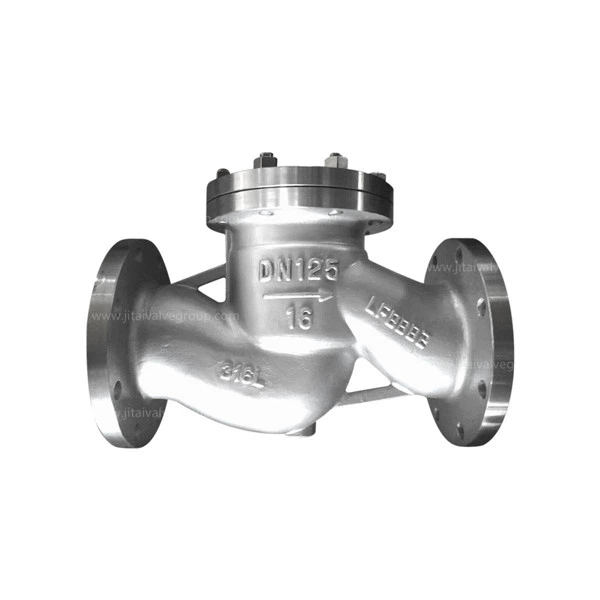
As a leading supplier of lift check valves, we offer a wide range of products to meet the diverse needs of our customers. Our lift check valves are available in various materials, including Stainless Steel Lift Check Valves, High Pressure Lift Check Valve, and Carbon Steel Lift Check Valves.
Each of our lift check valves is designed with a high-quality guide to ensure optimal performance and reliability. Our engineers pay close attention to the design and manufacturing of the guides, using advanced techniques and materials to ensure that they meet the highest standards of quality and durability.
Conclusion
In conclusion, the guide in a lift check valve plays a crucial role in ensuring the proper functioning of the valve. It provides alignment and stability, facilitates smooth movement, and enhances the sealing performance of the valve. The type of guide used and its design can have a significant impact on the valve's performance, reliability, and durability.
As a supplier of lift check valves, we understand the importance of the guide and its role in valve performance. We are committed to providing our customers with high-quality lift check valves that are designed and manufactured to the highest standards. If you are in the market for lift check valves or have any questions about our products, please feel free to contact us. We would be happy to discuss your specific requirements and help you find the right solution for your application.
References
- Flow Control Handbook, Second Edition, by George W. Godfrey
- Valve Handbook, Fourth Edition, by Tom Isaksson