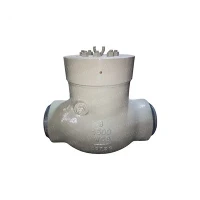
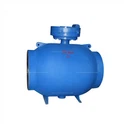
Hey there! As a supplier of Oil Angle Globe Valves, I often get asked about the pressure rating of these valves. So, I thought I'd take a few minutes to break it down for you.
First off, let's talk about what a pressure rating actually means. In simple terms, the pressure rating of a valve is the maximum pressure that the valve can safely handle without failing. This is super important because if a valve is subjected to pressures higher than its rating, it can lead to leaks, malfunctions, or even catastrophic failures. And trust me, you don't want that happening, especially when you're dealing with oil.
Now, the pressure rating of Oil Angle Globe Valves can vary quite a bit depending on a few different factors. One of the main factors is the material the valve is made from. For example, Carbon Steel Angle Globe Valves are known for their strength and durability, and they can typically handle relatively high pressures. On the other hand, if you're using a valve made from a different material, like a polymer or a softer metal, the pressure rating might be lower.
Another factor that affects the pressure rating is the design of the valve. Angle globe valves are designed in a way that allows them to control the flow of fluid in a pipeline. The shape and size of the valve's internal components, such as the disc and the seat, can have a big impact on how much pressure the valve can withstand. A well - designed valve with high - quality components will generally have a higher pressure rating.
The manufacturing process also plays a role. Valves that are precision - machined and undergo strict quality control measures are more likely to have accurate and reliable pressure ratings. At our company, we take great pride in our manufacturing process. We use state - of - the - art equipment and follow industry best practices to ensure that every Oil Angle Globe Valve we produce meets or exceeds the required pressure ratings.
Let's take a look at some common pressure ratings for Oil Angle Globe Valves. In the oil industry, you'll often come across valves with pressure ratings in the range of 150 to 2500 pounds per square inch (psi). For smaller, less demanding applications, a valve with a 150 psi rating might be sufficient. But for high - pressure oil pipelines or refinery operations, you'll need valves with much higher ratings, like 1500 or 2500 psi.
It's also important to note that the pressure rating isn't the only thing you need to consider when choosing an Oil Angle Globe Valve. You also need to think about the temperature of the fluid, the type of oil (whether it's crude oil, refined oil, or something else), and the flow rate. These factors can all interact with the pressure and affect the performance of the valve.
For instance, if the oil is at a very high temperature, it can cause the valve materials to expand or become more brittle, which might reduce the effective pressure rating. Similarly, if the flow rate is extremely high, it can create additional stress on the valve components, potentially leading to premature wear and failure.
Now, let's talk about some of the different types of Oil Angle Globe Valves we offer and their typical pressure ratings. Our Flanged Angle Globe Valves are a popular choice in the industry. They are designed to be easily installed and removed from pipelines, and they come in a variety of pressure ratings. For most standard applications, we offer flanged angle globe valves with pressure ratings ranging from 300 to 1500 psi. These valves are suitable for a wide range of oil - handling systems, from storage tanks to distribution pipelines.
Our Alloy Steel Angle Globe Valves are another great option. Alloy steel is a combination of different metals, which gives it enhanced properties like better corrosion resistance and higher strength. These valves can handle pressures up to 2500 psi, making them ideal for high - pressure, high - temperature oil applications, such as in offshore drilling platforms or refinery processing units.
When it comes to selecting the right pressure rating for your Oil Angle Globe Valve, it's always a good idea to consult with an expert. Our team of experienced engineers is here to help you make the best decision based on your specific requirements. We can take into account all the factors I mentioned earlier, such as temperature, flow rate, and the type of oil, to recommend the valve with the appropriate pressure rating for your application.
In addition to choosing the right pressure rating, proper installation and maintenance are also crucial. A valve that is installed incorrectly can experience uneven stress, which can lower its effective pressure rating and lead to problems down the line. And regular maintenance, such as checking for leaks, lubricating moving parts, and inspecting the valve components for wear, can help ensure that the valve continues to operate at its rated pressure for a long time.


We understand that every oil - handling operation is unique, and that's why we offer a wide range of Oil Angle Globe Valves with different pressure ratings, materials, and sizes. Whether you're a small - scale oil producer or a large - scale refinery, we have the valve that's right for you.
If you're in the market for Oil Angle Globe Valves and want to learn more about our products and their pressure ratings, we'd love to hear from you. Our team is ready to answer all your questions and help you find the perfect valve for your needs. Just reach out to us, and we'll start the conversation about how we can meet your oil - valve requirements.
In conclusion, the pressure rating of Oil Angle Globe Valves is an important factor to consider when choosing a valve for your oil - handling system. It's influenced by factors like material, design, and manufacturing process, and it can vary widely depending on the application. By working with an experienced supplier and following proper installation and maintenance procedures, you can ensure that your valve operates safely and efficiently at the right pressure.
References
- "Valve Handbook" by John R. Arnold
- "Oil and Gas Pipeline Engineering" by Muhammad Asif