The lifespan of an oil swing check valve is a crucial factor that both suppliers and users need to understand thoroughly. As a supplier of Oil Swing Check Valves, I've encountered numerous inquiries regarding this topic. In this blog, I'll delve into the various aspects that influence the lifespan of these valves and provide some insights based on industry knowledge and experience.

Understanding Oil Swing Check Valves
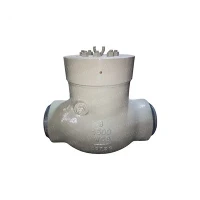
Before discussing their lifespan, it's essential to understand what oil swing check valves are. These valves are designed to allow fluid (in this case, oil) to flow in one direction only. They consist of a disc that swings on a hinge or shaft. When the fluid flows in the correct direction, the disc is pushed open, allowing the oil to pass through. When the flow reverses, the disc swings back to its closed position, preventing backflow.
Our company offers a wide range of oil swing check valves, including Stainless Steel Swing Check Valves, Flanged Swing Check Valves, and High Pressure Swing Check Valve. Each type is designed to meet specific requirements and operating conditions.
Factors Affecting the Lifespan of Oil Swing Check Valves
1. Material Quality
The material used in the construction of the valve significantly impacts its lifespan. High - quality materials are more resistant to corrosion, erosion, and wear. For example, stainless steel is a popular choice for oil swing check valves due to its excellent corrosion resistance. It can withstand the harsh chemical environment often found in oil applications. On the other hand, lower - quality materials may start to deteriorate quickly, leading to leaks and reduced functionality.
2. Operating Conditions
The conditions under which the valve operates play a vital role in determining its lifespan. High - pressure applications put more stress on the valve components. A High Pressure Swing Check Valve is specifically designed to handle such conditions, but if a standard valve is used in high - pressure situations, it may fail prematurely. Similarly, high - temperature environments can cause the materials to expand and contract, leading to fatigue and eventual failure.
The frequency of operation also matters. Valves that are opened and closed frequently experience more wear and tear on the disc and hinge mechanism. In contrast, valves that operate less often may still face issues due to the accumulation of debris and sediment over time.
3. Fluid Properties
The properties of the oil flowing through the valve can affect its lifespan. If the oil contains abrasive particles, it can cause erosion of the valve surfaces. Viscous oils may require more force to open and close the valve, which can increase the stress on the valve components. Additionally, the chemical composition of the oil can cause corrosion if the valve material is not compatible.
4. Installation and Maintenance
Proper installation is crucial for the long - term performance of the valve. Incorrect installation, such as improper alignment or over - tightening of bolts, can lead to stress concentrations and premature failure. Regular maintenance, including inspection, cleaning, and lubrication, can significantly extend the lifespan of the valve. During maintenance, any signs of wear, corrosion, or damage can be detected early and addressed promptly.

Typical Lifespan Estimates
It's difficult to provide an exact lifespan for oil swing check valves because it varies widely depending on the factors mentioned above. However, under normal operating conditions with proper installation and maintenance, a well - made oil swing check valve can last anywhere from 5 to 20 years.

In relatively mild operating conditions, such as low - pressure, low - temperature applications with clean oil, a valve may last up to 20 years. On the other hand, in harsh environments with high pressure, high temperature, and abrasive fluids, the lifespan may be as short as 5 years or even less.
Extending the Lifespan of Oil Swing Check Valves
1. Select the Right Valve
Choosing the appropriate valve for the specific application is the first step in ensuring a long lifespan. Consider factors such as pressure, temperature, fluid properties, and flow rate when selecting a valve. Our range of Stainless Steel Swing Check Valves, Flanged Swing Check Valves, and High Pressure Swing Check Valve provides options to meet different requirements.
2. Follow Installation Guidelines
Strictly follow the manufacturer's installation guidelines. Ensure proper alignment, correct torque on bolts, and appropriate sealing. A professional installation can prevent many potential problems and ensure the valve operates smoothly from the start.
3. Implement a Maintenance Schedule
Establish a regular maintenance schedule. Inspect the valve for signs of wear, corrosion, and leaks. Clean the valve components to remove any debris or sediment. Lubricate the hinge mechanism if required. By addressing issues early, you can prevent more significant problems from developing and extend the valve's lifespan.
Contact Us for Your Oil Swing Check Valve Needs
If you're in the market for high - quality oil swing check valves, we're here to help. Our team of experts can assist you in selecting the right valve for your specific application. We offer a wide range of products, including Stainless Steel Swing Check Valves, Flanged Swing Check Valves, and High Pressure Swing Check Valve.
Contact us today to start a discussion about your requirements. We look forward to providing you with reliable and long - lasting oil swing check valves.
References
- ASME B16.34 - Valves - Flanged, Threaded, and Welding End.
- API 6D - Pipeline Valves - Specification for Pipeline Valves.
- Manufacturer's technical manuals for oil swing check valves.