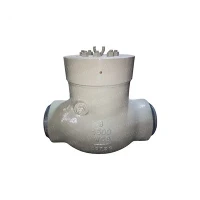
API 602 forged valves are widely used in various industries due to their high - quality and reliable performance. One crucial component of these valves is the valve gland, which plays a significant role in ensuring the proper functioning and sealing of the valve. In this blog, as an API 602 Forged Valves supplier, I will delve into the different valve gland materials for API 602 forged valves.
Understanding the Role of the Valve Gland
Before exploring the materials, it's essential to understand what the valve gland does. The valve gland is part of the valve stem packing system. It compresses the packing material around the valve stem, preventing the leakage of the fluid (liquid or gas) being controlled by the valve. A well - designed and properly made valve gland is vital for maintaining the integrity of the valve and the safety of the entire system.
Common Valve Gland Materials
Carbon Steel
Carbon steel is one of the most commonly used materials for valve glands in API 602 forged valves. It offers several advantages. Firstly, carbon steel is relatively inexpensive compared to some other materials, which makes it a cost - effective choice for many applications. It has good strength and durability, capable of withstanding moderate pressures and temperatures.
Carbon steel valve glands can be easily machined, allowing for precise manufacturing to meet the specific requirements of API 602 forged valves. However, carbon steel is prone to corrosion, especially in environments with high humidity or the presence of corrosive substances. To mitigate this issue, carbon steel valve glands can be coated or painted to enhance their corrosion resistance.
Stainless Steel
Stainless steel is another popular choice for valve gland materials. It contains chromium, which forms a passive oxide layer on the surface, providing excellent corrosion resistance. This makes stainless steel valve glands suitable for use in harsh environments, such as chemical processing plants, marine applications, and food and beverage industries where hygiene and corrosion resistance are of utmost importance.
There are different grades of stainless steel available, such as 304 and 316. Grade 304 stainless steel offers good general - purpose corrosion resistance, while grade 316 has enhanced resistance to pitting and crevice corrosion, especially in chloride - containing environments. Stainless steel valve glands also have good mechanical properties, with high strength and toughness, ensuring long - term reliability.
Brass
Brass is an alloy of copper and zinc. It has several desirable properties for valve gland applications. Brass is highly malleable and ductile, which makes it easy to form into the required shape during the manufacturing process. It also has good corrosion resistance, particularly in non - aggressive environments.
Brass valve glands have a relatively low coefficient of friction, which can reduce the operating torque required to open and close the valve. This is beneficial for applications where manual operation of the valve is common. Additionally, brass has an attractive appearance, which may be a factor in some applications where aesthetics are considered.
Monel
Monel is a nickel - copper alloy that is known for its excellent corrosion resistance, especially in marine and chemical environments. It can withstand a wide range of corrosive substances, including seawater, acids, and alkalis. Monel valve glands are often used in applications where extreme corrosion resistance is required, such as offshore oil and gas platforms.
Monel has high strength and good mechanical properties at both high and low temperatures. It is also resistant to stress - corrosion cracking, which is a significant advantage in applications where the valve may be subjected to high pressures and corrosive conditions simultaneously. However, Monel is more expensive than some of the other materials mentioned above, which may limit its use in cost - sensitive applications.
Factors Influencing Material Selection
When selecting the valve gland material for API 602 forged valves, several factors need to be considered:
Operating Environment
The nature of the fluid being handled and the surrounding environment are crucial factors. For example, if the valve is used in a chemical plant where corrosive chemicals are present, a material with high corrosion resistance, such as stainless steel or Monel, should be chosen. In a less - corrosive environment, carbon steel or brass may be sufficient.
Pressure and Temperature
The pressure and temperature conditions under which the valve operates also affect material selection. High - pressure and high - temperature applications require materials with high strength and good thermal stability. For instance, carbon steel may be suitable for moderate pressure and temperature applications, while Monel or certain grades of stainless steel are better for high - stress conditions.


Cost
Cost is always a consideration in any engineering project. As a supplier, I understand that customers need to balance the performance requirements with the budget. Carbon steel is generally the most cost - effective option, while Monel and some high - grade stainless steels are more expensive.
Compatibility with Other Components
The valve gland material should be compatible with other components of the valve, such as the valve stem and the packing material. Incompatible materials can lead to galvanic corrosion or other forms of degradation, which can compromise the performance and lifespan of the valve.
Applications of Different Valve Gland Materials in API 602 Forged Valves
API 602 Forged Check Valves
API 602 Forged Check Valves are used to prevent backflow in a pipeline. For applications in a relatively clean and non - corrosive water system, carbon steel valve glands may be sufficient. However, in a marine environment where seawater is present, stainless steel or Monel valve glands would be a better choice to ensure long - term corrosion resistance.
API 602 Forged Gate Valves
API 602 Forged Gate Valves are commonly used for on - off service in pipelines. In oil and gas pipelines where the fluid may contain corrosive substances, stainless steel or Monel valve glands can provide the necessary corrosion protection. For less - demanding applications, such as in a low - pressure water distribution system, brass or carbon steel valve glands may be used.
API 602 Forged Globe Valves
API 602 Forged Globe Valves are used for throttling and regulating the flow of fluid. In chemical processing plants, where the fluid can be highly corrosive, high - grade stainless steel or Monel valve glands are essential to prevent leakage and ensure the safe operation of the valve. In a general - purpose water or steam system, carbon steel or brass valve glands may be adequate.
Conclusion
As an API 602 Forged Valves supplier, I know that choosing the right valve gland material is crucial for the performance and reliability of API 602 forged valves. Carbon steel, stainless steel, brass, and Monel are all viable options, each with its own set of advantages and limitations. By considering factors such as the operating environment, pressure and temperature, cost, and compatibility with other components, customers can make an informed decision when selecting the valve gland material.
If you are in the market for API 602 forged valves and need assistance in choosing the appropriate valve gland material for your specific application, please feel free to contact us for a detailed discussion and professional advice. Our team of experts is ready to help you find the best solution to meet your needs.
References
- ASME Standards on Valves
- API 602 Standard Documentation
- Material Science Textbooks on Metals and Alloys