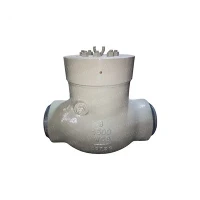
When it comes to steam systems, steam wedge gate valves play a crucial role. As a supplier of Steam Wedge Gate Valves, I've had my fair share of experiences and knowledge about these valves. One important aspect that often gets overlooked but is super vital is the thermal expansion characteristics of steam wedge gate valves.
What is Thermal Expansion?
First things first, let's talk about what thermal expansion is. In simple terms, when a material gets heated up, it expands, and when it cools down, it contracts. This is a basic physical property of most substances, and steam wedge gate valves are no exception. The valve parts, made of various metals like cast steel in Cast Steel Wedge Gate Valves, will change in size as the temperature around them fluctuates.
Thermal Expansion in Valve Components
Body and Bonnet
The body and bonnet of a steam wedge gate valve are usually the largest components, and they experience significant thermal expansion. When steam at high temperatures flows through the valve, the body and bonnet heat up and expand. This expansion can cause changes in the internal dimensions of the valve. For example, the bore diameter may increase slightly, which could potentially affect the sealing performance of the valve. If the expansion is not accounted for during the design and installation, it might lead to leaks over time.
Wedge and Seat
The wedge and seat are the critical sealing parts of the valve. As temperature rises, the wedge and seat also expand. The expansion of these parts needs to be carefully balanced. If the wedge expands more than the seat, it could get stuck in the seat, making it difficult to open or close the valve. Conversely, if the seat expands more than the wedge, a proper seal may not be achieved, resulting in steam leakage.
Impact on Valve Operation
Opening and Closing Torque
Thermal expansion can significantly affect the opening and closing torque of the valve. When the valve is cold, the parts are at their normal size, and the torque required to operate the valve is relatively consistent. However, as the temperature increases, the expansion of the components can cause the valve to bind or seize slightly. This means more force, or torque, is needed to open or close the valve. If the valve operator is not aware of this change, it could lead to over - tightening or damage to the valve's operating mechanism.
Sealing Integrity
Maintaining a good seal is essential for any valve, especially in steam applications where leaks can be not only wasteful but also dangerous. The thermal expansion of the valve parts can either improve or degrade the sealing integrity. If the expansion is managed correctly, the increased contact between the wedge and seat due to thermal expansion can enhance the seal. But if the expansion is uneven or excessive, it can break the seal and cause steam to escape.
Design Considerations for Thermal Expansion
Material Selection
Choosing the right materials for steam wedge gate valves is crucial to manage thermal expansion. Different metals have different coefficients of thermal expansion. For example, some stainless steels have relatively lower coefficients of thermal expansion compared to carbon steels. By selecting materials with appropriate coefficients, valve manufacturers can minimize the impact of thermal expansion on valve performance.
Clearance Design
Valve designers also need to consider clearances between different parts of the valve. They need to leave enough space to accommodate the expansion of the components without causing interference. For instance, there should be a sufficient gap between the wedge and the seat to allow for thermal expansion without binding.


Installation and Maintenance
Installation
During installation, it's important to ensure that the valve is properly aligned and anchored. If the valve is not correctly installed, the thermal expansion of the valve and the piping system around it can cause additional stress on the valve. This stress can lead to misalignment, which in turn affects the valve's operation and sealing performance.
Maintenance
Regular maintenance is key to keeping steam wedge gate valves in good working condition. Maintenance personnel should check for signs of wear and tear caused by thermal expansion, such as cracks in the valve body or excessive wear on the wedge and seat. They should also lubricate the valve's moving parts to reduce friction and the additional torque required to operate the valve due to thermal changes.
Conclusion
Understanding the thermal expansion characteristics of steam wedge gate valves is essential for both valve manufacturers and end - users. As a supplier of Steam Wedge Gate Valves, we strive to design and provide valves that can handle the challenges posed by thermal expansion effectively. Whether it's Cast Steel Wedge Gate Valves or Flanged Wedge Gate Valves, we take into account all the factors related to thermal expansion to ensure reliable performance.
If you're in the market for high - quality steam wedge gate valves or have any questions about thermal expansion and valve operation, feel free to contact us for a detailed discussion. We're here to help you make the best choice for your steam system.
References
- ASME Boiler and Pressure Vessel Code
- Valve Handbook by Robert W. McKee