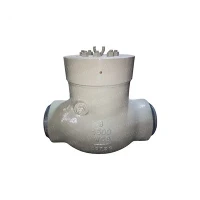
As a supplier of Steam Swing Check Valves, I understand the critical importance of testing standards in ensuring the quality, reliability, and safety of these essential components. Steam Swing Check Valves play a vital role in various industrial applications, preventing backflow and ensuring the smooth flow of steam in pipelines. In this blog post, I will delve into the key testing standards for Steam Swing Check Valves, shedding light on the processes and criteria that guarantee their performance.
Pressure Testing
One of the fundamental tests for Steam Swing Check Valves is pressure testing. This test assesses the valve's ability to withstand the specified pressure without leakage. The test is typically conducted using a hydraulic or pneumatic pressure testing machine. The valve is installed in a test fixture, and pressure is gradually applied to the inlet side of the valve. The pressure is maintained for a specified period, usually 10 to 30 minutes, depending on the testing standard.
During the pressure test, the valve is closely monitored for any signs of leakage. Leakage can occur through the valve seat, body joints, or stem packing. If any leakage is detected, the valve fails the test and must be repaired or replaced. Pressure testing is crucial for ensuring the integrity of the valve and preventing potential safety hazards in steam systems.
Seat Leakage Testing
Seat leakage testing is another important test for Steam Swing Check Valves. This test evaluates the valve's ability to seal properly and prevent backflow when the valve is closed. The test is typically conducted using a gas or liquid medium, depending on the application.
In seat leakage testing, the valve is closed, and pressure is applied to the outlet side of the valve. The pressure is maintained for a specified period, and the amount of leakage through the valve seat is measured. The acceptable leakage rate is specified by the testing standard and varies depending on the valve size and application.
Seat leakage testing is essential for ensuring the efficiency of the steam system. Excessive seat leakage can result in energy loss, reduced system performance, and potential damage to downstream equipment.
Flow Capacity Testing
Flow capacity testing is conducted to determine the valve's ability to allow the desired flow rate of steam through the valve. This test is important for ensuring that the valve can meet the requirements of the steam system.
The flow capacity test is typically performed using a flow testing rig. The valve is installed in the rig, and steam is passed through the valve at a specified pressure and temperature. The flow rate is measured using a flow meter, and the results are compared to the valve's rated flow capacity.
Flow capacity testing helps to ensure that the valve is properly sized for the steam system. An undersized valve can restrict the flow of steam, leading to reduced system performance and potential damage to the valve. An oversized valve, on the other hand, can result in excessive energy consumption and increased costs.
Temperature Testing
Steam Swing Check Valves are often subjected to high temperatures in steam systems. Temperature testing is conducted to evaluate the valve's performance at elevated temperatures.

The temperature test is typically performed in a temperature-controlled chamber. The valve is installed in the chamber, and the temperature is gradually increased to the specified test temperature. The valve is then tested for pressure, seat leakage, and flow capacity at the elevated temperature.
Temperature testing is important for ensuring that the valve can withstand the high temperatures in steam systems without experiencing any degradation in performance. High temperatures can cause the valve materials to expand, which can affect the valve's sealing ability and overall performance.
Material Testing
Material testing is an essential part of the quality control process for Steam Swing Check Valves. This test evaluates the quality and properties of the valve materials, ensuring that they meet the specified requirements.
Material testing typically includes chemical analysis, mechanical testing, and non-destructive testing. Chemical analysis is used to determine the composition of the valve materials, ensuring that they contain the correct elements and meet the specified standards. Mechanical testing, such as tensile testing and hardness testing, is used to evaluate the mechanical properties of the valve materials, such as strength and ductility. Non-destructive testing, such as ultrasonic testing and magnetic particle testing, is used to detect any internal defects or flaws in the valve materials.
Material testing is crucial for ensuring the reliability and durability of the Steam Swing Check Valves. Using substandard materials can result in premature valve failure, which can lead to costly repairs and downtime in the steam system.
Industry Standards and Certifications
In addition to the specific testing procedures mentioned above, Steam Swing Check Valves are also required to meet various industry standards and certifications. These standards and certifications ensure that the valves are designed, manufactured, and tested to the highest quality and safety standards.

Some of the most common industry standards for Steam Swing Check Valves include API 594, API 6D, ASME B16.34, and ISO 5208. These standards specify the design, materials, manufacturing, testing, and inspection requirements for the valves.
Certifications such as CE, UL, and CSA are also important for ensuring the compliance of the Steam Swing Check Valves with international safety and quality standards. These certifications indicate that the valves have been tested and approved by independent third-party organizations.
Our Commitment to Quality
As a supplier of Steam Swing Check Valves, we are committed to providing our customers with high-quality products that meet or exceed the industry standards and certifications. We have a state-of-the-art testing facility where we conduct a comprehensive range of tests on all our valves to ensure their performance and reliability.
Our product range includes High Temperature Swing Check Valves, Flanged Swing Check Valves, and Chemical Swing Check Valves, which are designed to meet the specific requirements of different applications.
We also offer customized solutions to meet the unique needs of our customers. Our team of experienced engineers and technicians can work with you to design and manufacture valves that are tailored to your specific requirements.
Contact Us for Procurement
If you are in the market for high-quality Steam Swing Check Valves, we invite you to contact us for procurement. Our team of experts will be happy to assist you in selecting the right valve for your application and providing you with a competitive quote.
We understand the importance of timely delivery and excellent customer service. We strive to ensure that our customers receive their orders on time and that they are completely satisfied with our products and services.
References
- API 594 - Check Valves - Flanged, Lug, Wafer, and Butt-Welding
- API 6D - Pipeline Valves - Specification for Pipeline Valves
- ASME B16.34 - Valves - Flanged, Threaded, and Welding End
- ISO 5208 - Industrial Valves - Pressure Testing of Valves