Hey there! As a supplier of fully welded ball valves, I often get asked about the maintenance intervals for these bad boys. So, I thought I'd take a few minutes to break it down for you in this blog post.
First off, let's talk about what fully welded ball valves are and why they're so great. These valves are made by welding the body parts together, creating a seamless and leak - proof design. They're commonly used in high - pressure and high - temperature applications, like oil and gas pipelines, chemical processing plants, and power generation facilities.
The maintenance intervals for fully welded ball valves can vary depending on a bunch of factors. One of the most important ones is the operating environment. If the valve is in a harsh environment with a lot of dust, dirt, or corrosive substances, it'll probably need more frequent maintenance. For example, in an offshore oil rig where the valves are exposed to saltwater and harsh weather conditions, they'll face more wear and tear compared to those in a clean indoor industrial setting.
Another factor is the frequency of use. Valves that are opened and closed frequently will experience more mechanical stress. A valve in a pipeline that's constantly regulating the flow of fluids will need to be checked more often than one that's used only occasionally for emergency shut - off.
Typically, for fully welded ball valves in normal operating conditions, a visual inspection should be done at least once a year. During this inspection, you're looking for any signs of external damage, like cracks in the valve body or corrosion on the surface. You can also check the valve's mounting and connection points to make sure they're still tight and secure.
Every two to three years, a more in - depth maintenance should be carried out. This includes disassembling the valve (if possible) to check the internal components. The ball, seats, and stem are the key parts to focus on. The ball should roll smoothly without any signs of scoring or pitting. The seats need to form a proper seal against the ball, and the stem should move freely without excessive play.
Now, let's take a look at different types of fully welded ball valves and how their maintenance intervals might differ slightly.
Pneumatic Fully Welded Ball Valves
Pneumatic fully welded ball valves, like the ones you can learn more about Pneumatic Fully Welded Ball Valves, are controlled by compressed air. The pneumatic actuator adds an extra layer of complexity to the valve system. In addition to the regular valve maintenance, the pneumatic actuator needs to be checked. The air supply lines should be inspected for leaks, and the actuator's internal components like the piston, springs, and seals need to be examined. For these valves, the annual visual inspection is a must, and the in - depth maintenance of both the valve and the actuator should be done every two years to ensure smooth operation.

Carbon Steel Fully Welded Ball Valves
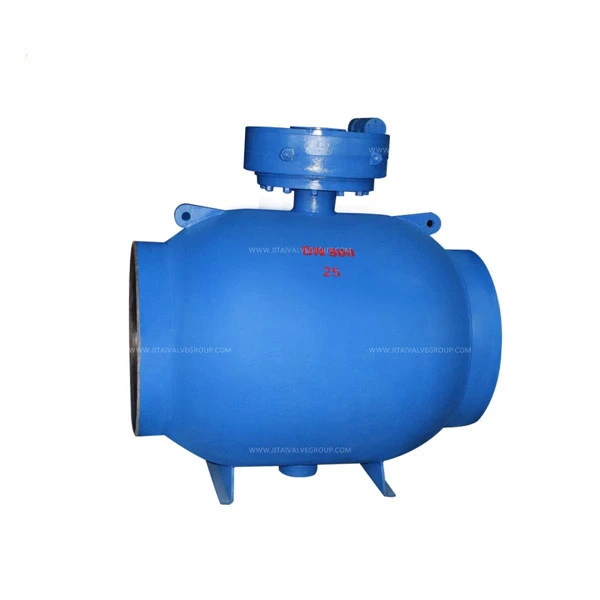
Carbon Steel Fully Welded Ball Valves are popular due to their strength and affordability. However, carbon steel is prone to corrosion, especially in humid or corrosive environments. So, if you're using carbon steel fully welded ball valves, you might want to increase the frequency of your visual inspections. In a moderately corrosive environment, a visual inspection every six months is a good idea. And for the in - depth maintenance, it's recommended to do it every two years to catch any early signs of corrosion inside the valve.
Electric Fully Welded Ball Valves
Electric Fully Welded Ball Valves are controlled by an electric motor. The electrical components, such as the motor, wiring, and control switches, need to be maintained in addition to the valve itself. An annual inspection of the electrical system is essential to check for any loose connections, frayed wires, or malfunctioning switches. The in - depth maintenance of the valve and the electrical components should be carried out every two to three years, depending on the usage and the environment.
When it comes to maintenance, it's also important to keep good records. Note down the inspection dates, any issues found, and the actions taken. This way, you can track the valve's performance over time and plan for future maintenance more effectively.
If you're unsure about how to carry out the maintenance or what the right intervals are for your specific situation, don't hesitate to reach out. As a supplier of fully welded ball valves, we have a team of experts who can provide you with personalized advice based on your valve usage and operating environment. Whether you're in the oil and gas industry, chemical processing, or any other field that uses these valves, we're here to help you keep your valves in top - notch condition.
If you're in the market for fully welded ball valves or need more information about their maintenance, feel free to get in touch. We can offer high - quality valves that meet your specific requirements and provide support throughout the product's lifespan.
References
- Valve Handbook, Emerson Process Management
- Industrial Valve Maintenance Guide, Flowserve Corporation