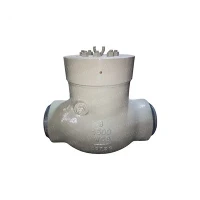
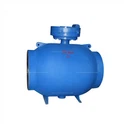
A floating ball valve is a crucial component in various industrial applications, known for its reliable sealing and efficient flow control. At the heart of this valve lies the stem, a seemingly simple yet highly engineered part that plays a pivotal role in the valve's operation. In this blog post, we'll explore the design features of a floating ball valve's stem, highlighting how these features contribute to the overall performance and reliability of the valve. As a trusted Floating Ball Valves supplier, we understand the importance of these design aspects and strive to provide high - quality products that meet the diverse needs of our customers.
Material Selection
The choice of material for the stem is fundamental to the performance of a floating ball valve. Different applications require different levels of strength, corrosion resistance, and temperature tolerance.
Alloy Steel
Alloy steel is a popular choice for valve stems in many industrial settings. It offers excellent strength and toughness, making it suitable for high - pressure and high - temperature applications. Alloy steel can withstand the mechanical stresses exerted during valve operation, such as the torque required to turn the ball and the forces generated by the fluid flow. Our Alloy Steel Floating Ball Valves are designed with alloy steel stems that provide long - term durability and reliable performance in harsh environments.
Stainless Steel
Stainless steel is another widely used material for valve stems, especially in applications where corrosion resistance is a primary concern. It contains chromium, which forms a passive oxide layer on the surface of the stem, protecting it from rust and other forms of corrosion. This makes stainless steel stems ideal for use in chemical processing plants, water treatment facilities, and marine applications. Our Stainless Steel Floating Ball Valves feature high - quality stainless steel stems that ensure reliable operation even in corrosive media.


Cast Steel
Cast steel stems are often used in applications where cost - effectiveness and moderate strength are required. Cast steel can be easily shaped into complex geometries, allowing for the design of stems with specific features to meet the requirements of different valve designs. Our Cast Steel Floating Ball Valves are equipped with cast steel stems that offer a good balance between performance and cost.
Design Geometry
The geometry of the stem is carefully designed to ensure smooth and efficient operation of the floating ball valve.
Diameter and Length
The diameter of the stem is determined by the torque requirements of the valve. A larger diameter stem can transmit more torque, which is necessary for larger valves or valves operating under high - pressure conditions. The length of the stem is also important, as it needs to be long enough to connect the actuator (such as a handwheel or an electric motor) to the ball inside the valve body. However, an overly long stem can increase the risk of bending or misalignment, which can affect the valve's performance.
Threaded Ends
Many stems have threaded ends, which allow for easy connection to the actuator and the ball. The threads need to be precisely machined to ensure a secure and reliable connection. Different types of threads, such as NPT (National Pipe Thread) or BSP (British Standard Pipe), may be used depending on the application and the requirements of the actuator.
Keyways and Flats
Some stems are designed with keyways or flats to prevent rotation relative to the actuator or the ball. A keyway is a slot cut into the stem, which allows a key to be inserted and engaged with a corresponding slot in the actuator or the ball. Flats are simply flat surfaces machined on the stem, which can be used in conjunction with a matching flat surface on the actuator or the ball to prevent rotation.
Sealing Mechanisms
The stem of a floating ball valve needs to be properly sealed to prevent leakage of the fluid being controlled. There are several sealing mechanisms commonly used in valve stems.
Packing Seals
Packing seals are one of the most common sealing methods for valve stems. They consist of a packing material, such as graphite or PTFE (Polytetrafluoroethylene), which is compressed around the stem to create a seal. The packing is usually installed in a stuffing box, which is a chamber in the valve body that surrounds the stem. As the packing is compressed, it conforms to the shape of the stem and prevents fluid from leaking along the stem.
O - Ring Seals
O - ring seals are another popular sealing option for valve stems. An O - ring is a circular rubber or elastomeric ring that is placed in a groove around the stem. When the valve is assembled, the O - ring is compressed between the stem and the valve body, creating a tight seal. O - ring seals are known for their excellent sealing performance and are often used in applications where low - leakage is required.
Actuation Compatibility
The stem of a floating ball valve needs to be compatible with the actuator used to operate the valve. Different types of actuators, such as manual handwheels, electric motors, pneumatic cylinders, or hydraulic actuators, have different requirements in terms of torque, speed, and control.
Torque Transmission
The stem must be able to transmit the torque generated by the actuator to the ball to open and close the valve. The design of the stem, including its diameter, material, and connection to the ball, is crucial for efficient torque transmission. A well - designed stem will ensure that the valve can be operated smoothly and reliably, even under high - torque conditions.
Control and Feedback
In some applications, it is necessary to have precise control over the position of the valve and to receive feedback on its status. The stem can be designed to work with position sensors or limit switches, which can be used to monitor the position of the valve and provide feedback to a control system. This allows for more accurate control of the fluid flow and can improve the overall efficiency of the process.
Surface Finish
The surface finish of the stem can have a significant impact on its performance and durability. A smooth surface finish reduces friction between the stem and the packing or O - ring seals, which can improve the sealing performance and reduce wear. It also helps to prevent the accumulation of dirt and debris on the stem, which can cause damage to the seals and affect the valve's operation. Additionally, a proper surface finish can enhance the corrosion resistance of the stem by preventing the formation of corrosion pits.
Conclusion
The design features of a floating ball valve's stem are carefully engineered to ensure reliable performance, efficient operation, and long - term durability. From the selection of the right material to the design of the geometry, sealing mechanisms, and actuation compatibility, every aspect of the stem design plays a crucial role in the overall performance of the valve. As a Floating Ball Valves supplier, we are committed to providing high - quality valves with well - designed stems that meet the needs of our customers in various industries.
If you are interested in learning more about our floating ball valves or have specific requirements for your application, we encourage you to contact us for a detailed discussion. Our team of experts is ready to assist you in selecting the right valve and providing you with the best solutions for your flow control needs.
References
- Valve Handbook, Edited by J. E. Shigley and C. R. Mischke
- ASME Standards for Valves and Fittings
- API (American Petroleum Institute) Standards for Oil and Gas Industry Valves