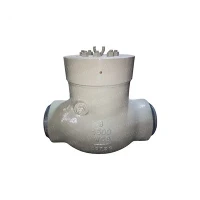
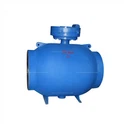
Hey there! I'm a supplier of Wedge Gate Valves, and today, I wanna chat about the design considerations for these valves in seismic areas. Living in a world where earthquakes can strike unexpectedly, it's crucial to make sure our Wedge Gate Valves can stand up to the shakes and keep things running smoothly.
Material Selection
First off, let's talk about materials. When you're dealing with seismic zones, you need tough materials that can handle the stress and vibrations. For the body of the Wedge Gate Valve, materials like ductile iron or stainless steel are great choices. Ductile iron has good toughness and can absorb shock, while stainless steel offers excellent corrosion resistance.
For the gate and seat, materials with high strength and wear resistance are essential. Some common options include alloy steels or special coatings. These materials help the valve operate properly even after being subjected to seismic forces. If the valve is made of flimsy materials, it might break or malfunction during an earthquake, causing all sorts of issues.
Structural Design
The structural design of Wedge Gate Valves in seismic areas is super important. One key factor is the valve's overall shape and size. A compact and lightweight design can reduce the amount of stress it experiences during an earthquake. Additionally, proper reinforcement and bracing can enhance the valve's stability.
The connection between the valve and the pipeline is also crucial. A rigid connection might break under seismic stress, so we often use flexible connections or expansion joints. These components can absorb some of the vibrations and movements, preventing damage to the valve and the pipeline.
Another aspect of structural design is the internal structure of the valve. The gate and seat should be designed to minimize the risk of jamming or leakage. A well-designed valve will have smooth surfaces and proper clearances to ensure reliable operation, even when the ground is shaking.


Seismic Testing and Certification
Before selling our Wedge Gate Valves in seismic areas, we make sure they undergo rigorous seismic testing. This testing simulates earthquake conditions and evaluates the valve's performance under different levels of vibration and stress.
We also aim for relevant certifications. Certifications from recognized standards organizations give our customers confidence in the quality and reliability of our valves. These certifications ensure that the valves meet certain safety and performance requirements, which is crucial in seismic-prone regions.
Installation and Maintenance
Proper installation and maintenance are key to the long - term performance of Wedge Gate Valves in seismic areas. During installation, we need to follow strict guidelines to ensure the valve is securely mounted and connected to the pipeline. This includes using the right bolts, gaskets, and sealing materials.
Regular maintenance is also essential. We should inspect the valve for any signs of damage, wear, or leakage. Lubricating moving parts and tightening connections can prevent minor issues from turning into major problems. And if an earthquake does occur, a post - seismic inspection should be carried out to make sure the valve is still in good working condition.
Types of Wedge Gate Valves for Seismic Areas
We offer different types of Wedge Gate Valves that can be suitable for seismic areas. For example, Flanged Wedge Gate Valves are popular because they are easy to install and connect to the pipeline. Their flanged design provides a secure and reliable connection.
Electric Wedge Gate Valves are also a great option. They can be remotely controlled, which is very useful in emergency situations during or after an earthquake. You can operate the valve without being physically present at the valve location.
If you're working in a chemical environment in a seismic area, Chemical Wedge Gate Valves are the way to go. These valves are designed to resist corrosion from chemicals, while also being able to withstand seismic forces.
Conclusion
In conclusion, designing Wedge Gate Valves for seismic areas requires careful consideration of materials, structural design, seismic testing, installation, and maintenance. By taking these factors into account, we can ensure that our valves can perform reliably during and after an earthquake.
If you're in the market for high - quality Wedge Gate Valves for seismic areas, I'd love to chat with you. Whether you need more information about our products, want to discuss your specific requirements, or are ready to place an order, don't hesitate to get in touch. We're here to help you find the perfect valve solution for your project.
References
- American Petroleum Institute. API Standards for Valves.
- International Organization for Standardization. ISO Standards Related to Pipeline Valves.
- Seismic Design Guidelines for Industrial Pipelines and Valves.