Hey there! As a supplier of fully welded ball valves, I've seen firsthand how these valves are crucial in various industries, especially in cold environments. Today, I want to chat about the anti-freezing features of fully welded ball valves and why they're a top choice when dealing with freezing conditions.
Material Selection for Cold Resistance
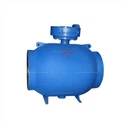
One of the key factors in a fully welded ball valve's anti-freezing capabilities is the material it's made from. Most of our valves, like the Carbon Steel Fully Welded Ball Valves, are crafted from high - quality carbon steel. Carbon steel has excellent low - temperature toughness, which means it can withstand the brittleness that often comes with freezing temperatures.
Unlike some other materials that might crack or become too rigid in the cold, carbon steel maintains its structural integrity. This is super important because a cracked valve can lead to leaks, which not only waste resources but can also cause safety hazards. The steel we use is carefully selected and treated to ensure it has the right balance of strength and flexibility, even when the mercury drops.
Welded Design for Leak - Free Operation
The fully welded design of these ball valves is another major anti - freezing feature. When a valve is fully welded, there are no external bolts or flanges that can loosen or corrode in cold conditions. This means there are fewer places for water or other fluids to seep out and potentially freeze around the valve.
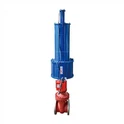
A leaky valve can create ice dams or cause ice to build up on the valve body, which can interfere with its operation. With a fully welded ball valve, the seamless construction ensures that the valve remains watertight. Whether it's a Manual Fully Welded Ball Valves or a Pneumatic Fully Welded Ball Valves, the welded design provides a reliable barrier against leaks, keeping the valve functioning smoothly in cold environments.
Insulation Options
We also offer insulation options for our fully welded ball valves. Insulation helps to keep the valve and the fluid inside it at a more stable temperature. In cold weather, adding an insulating layer around the valve can prevent the fluid from freezing and the valve from getting too cold.
There are different types of insulation materials available, and we can help you choose the right one based on your specific needs. Some insulation materials are better at resisting moisture, while others are more lightweight or have better thermal properties. By adding insulation, you can significantly reduce the risk of freezing and extend the lifespan of your valve.
Low - Torque Operation in Cold Conditions
Even in freezing temperatures, our fully welded ball valves are designed to have low - torque operation. This means that it's easier to open and close the valve, even when the cold has made the fluid more viscous.
The ball and seat design of our valves is optimized to reduce friction, so you don't have to use excessive force to operate the valve. This is especially important for manual valves, as it makes them more user - friendly in cold weather. For pneumatic valves, the low - torque design ensures that the actuator can still function effectively, even when the air pressure might be affected by the cold.
Self - Draining Features
Some of our fully welded ball valves come with self - draining features. These features are designed to allow any remaining fluid in the valve to drain out when the valve is closed. This is important because if fluid is left inside the valve and freezes, it can cause damage to the valve components.


The self - draining design typically includes small holes or channels that allow the fluid to escape. This helps to prevent ice from forming inside the valve and ensures that the valve is ready to operate properly when needed.
Corrosion Resistance
Cold environments often come with increased humidity and the presence of salts or other corrosive substances. Our fully welded ball valves are treated to be highly corrosion - resistant. This is essential because corrosion can weaken the valve over time and make it more susceptible to freezing problems.
The corrosion - resistant coating on our valves protects the metal from rust and other forms of degradation. This not only helps the valve last longer but also ensures that it maintains its anti - freezing properties. A corroded valve might have rough surfaces where ice can form more easily, so keeping the valve corrosion - free is a key part of preventing freezing issues.
Testing in Cold Conditions
Before we send our fully welded ball valves out to customers, we test them in simulated cold conditions. This allows us to ensure that the valves meet our high standards for anti - freezing performance.
We subject the valves to low - temperature environments and monitor their operation. We check for things like leaks, torque requirements, and overall functionality. By testing in these conditions, we can identify any potential issues and make adjustments before the valves reach your hands. This way, you can be confident that the valve you're getting will work well in your cold - weather application.
Why Choose Our Fully Welded Ball Valves?
If you're looking for a reliable valve solution in cold environments, our fully welded ball valves are a great choice. With their anti - freezing features, they offer long - term performance and peace of mind. Whether you're in the oil and gas industry, water treatment, or any other field that requires valves in cold conditions, our valves are up to the task.
We're always here to help you choose the right valve for your specific needs. If you have any questions about our products, the anti - freezing features, or anything else, don't hesitate to reach out. We can provide you with more detailed information and help you make an informed decision.
If you're interested in purchasing our fully welded ball valves, we'd love to have a chat with you. Contact us to discuss your requirements, and we can start the process of getting you the perfect valve for your application.
References
- Industry standards for valve design in cold environments
- Technical specifications of carbon steel materials for low - temperature use
- Research on valve insulation materials and their effectiveness in cold conditions