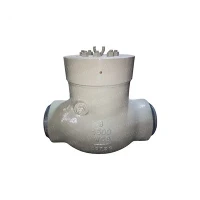
Teflon lined valves are popular in various industries due to their excellent chemical resistance and durability. However, like any other equipment, they can encounter problems over time. As a Teflon lined valves supplier, I've dealt with a wide range of issues and have learned some effective troubleshooting methods. In this blog, I'll share some common problems with Teflon lined valves and how to fix them.
1. Leakage
One of the most common issues with Teflon lined valves is leakage. Leakage can occur at different parts of the valve, such as the valve stem, flanges, or the valve body itself.
Leakage at the Valve Stem
- Possible Causes: The packing around the valve stem may be worn out, loose, or damaged. High - pressure applications can also cause the packing to lose its sealing ability over time.
- Troubleshooting Steps: First, check the packing gland. If it's loose, tighten it gently. But be careful not to over - tighten, as this can damage the valve stem. If tightening the gland doesn't solve the problem, you may need to replace the packing. You can refer to the valve's manual for the correct type of packing to use.
Leakage at the Flanges
- Possible Causes: The flange gaskets may be damaged, misaligned, or the bolts holding the flanges together may be loose. Chemical corrosion can also deteriorate the gaskets.
- Troubleshooting Steps: Inspect the gaskets for any signs of damage. If they're damaged, replace them with new ones. Make sure the flanges are properly aligned before installing the new gaskets. Tighten the flange bolts evenly in a criss - cross pattern to ensure a uniform seal.
Leakage from the Valve Body
- Possible Causes: The Teflon lining inside the valve body may have cracks or holes. This can be due to physical damage, improper installation, or exposure to extreme temperatures or pressures.
- Troubleshooting Steps: If you suspect a problem with the Teflon lining, you may need to remove the valve from the pipeline for a closer inspection. In some cases, minor damages can be repaired using special Teflon repair kits. However, if the damage is severe, you may need to replace the valve. You can find a variety of Teflon lined valves, such as Teflon Lined Globe Valves, Teflon Lined Check Valves, and Teflon Lined Butterfly Valves on our website for replacement.
2. Difficulty in Operation
Sometimes, Teflon lined valves can become difficult to open or close.


Sticking Valve Stem
- Possible Causes: The valve stem may be sticking due to corrosion, dirt, or debris inside the valve. The Teflon lining around the stem may also have deformed, causing friction.
- Troubleshooting Steps: Try to lubricate the valve stem. Use a lubricant that is compatible with Teflon and the media flowing through the valve. If the sticking is due to dirt or debris, you can try to flush the valve with a suitable cleaning solution. In severe cases, you may need to disassemble the valve to clean it thoroughly.
Damaged Actuator
- Possible Causes: If the valve is actuated (e.g., pneumatic or electric actuator), the actuator may be malfunctioning. This can be due to electrical problems, air leaks in the pneumatic system, or mechanical failures.
- Troubleshooting Steps: For pneumatic actuators, check for air leaks in the air lines and fittings. Make sure the air pressure is within the recommended range. For electric actuators, check the electrical connections and the motor. If you're not familiar with actuator repair, it's best to consult a professional.
3. Inaccurate Flow Control
Teflon lined valves are often used for flow control, and inaccurate flow control can be a major problem.
Incorrect Valve Positioning
- Possible Causes: The valve may not be fully opened or closed, or the position indicator may be inaccurate. This can happen if the valve is not properly calibrated or if there's a problem with the actuator's positioning mechanism.
- Troubleshooting Steps: Check the valve's position indicator. If it's inaccurate, you may need to recalibrate it. For manual valves, make sure the valve is fully opened or closed as required. For actuated valves, check the actuator's control settings and adjust them if necessary.
Worn - out Seats or Discs
- Possible Causes: The seats and discs inside the valve can wear out over time, especially in applications with high - flow rates or abrasive media. This can lead to a poor seal and inaccurate flow control.
- Troubleshooting Steps: Inspect the seats and discs for wear. If they're worn out, replace them. You can usually find replacement parts from the valve manufacturer or a reliable supplier.
4. Noise and Vibration
Excessive noise and vibration can indicate a problem with the Teflon lined valve.
Cavitation
- Possible Causes: Cavitation occurs when the pressure of the fluid flowing through the valve drops below the vapor pressure of the fluid, causing vapor bubbles to form and collapse. This can create noise and vibration and can also damage the valve.
- Troubleshooting Steps: To reduce cavitation, you can try to increase the pressure upstream of the valve or decrease the pressure drop across the valve. You can also install a cavitation - resistant valve or use a valve with a different design that is less prone to cavitation.
Flow - Induced Vibration
- Possible Causes: High - velocity flow or an uneven flow pattern can cause the valve to vibrate. This can be due to improper valve sizing, a misaligned pipeline, or a change in the flow characteristics of the media.
- Troubleshooting Steps: Check the valve's sizing. If it's too small for the flow rate, it may need to be replaced with a larger valve. Make sure the pipeline is properly aligned and there are no obstructions that can cause an uneven flow pattern.
If you're facing any problems with your Teflon lined valves or need more information about our products, feel free to contact us for further assistance. We're always ready to help you find the best solutions for your valve needs and are open for procurement discussions.
References
- Valve manufacturers' technical manuals
- Industry standards and guidelines for valve maintenance and troubleshooting