Hey there! As a supplier of Fully Welded Ball Valves, I've seen firsthand how crucial it is to ensure these valves operate smoothly. In this blog, I'll share some tips and tricks on how to make that happen.
Understanding Fully Welded Ball Valves
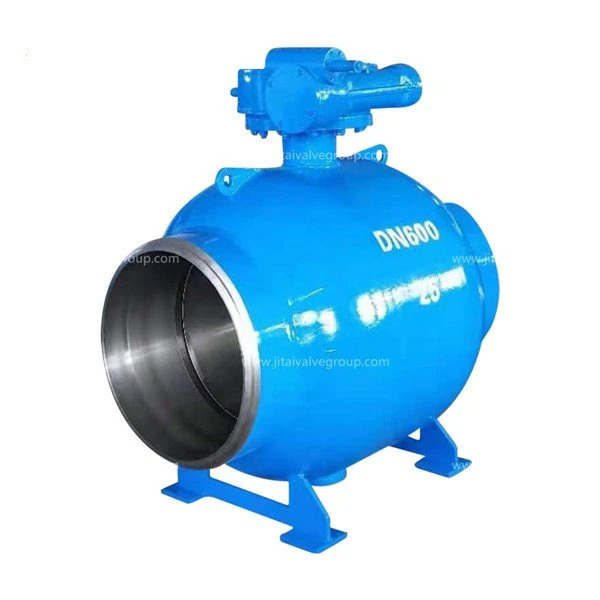
First off, let's quickly go over what fully welded ball valves are. These valves are designed with a seamless body that's welded together, which makes them super durable and leak - proof. They're commonly used in various industries like oil and gas, water treatment, and chemical processing.
One of the great things about fully welded ball valves is their ability to handle high pressures and temperatures. They've got a simple yet effective design where a ball with a hole in it rotates to control the flow of fluid. When the hole in the ball aligns with the pipe, the fluid can flow freely. When the ball is turned 90 degrees, the flow is stopped.
Regular Inspections
The first step in ensuring the smooth operation of fully welded ball valves is regular inspections. You can't just install them and forget about them. I recommend checking these valves at least once a month, especially if they're in a high - use environment.
During an inspection, start by looking for any visible signs of damage. Check the valve body for cracks, dents, or corrosion. If you notice any rust or discoloration, it could be a sign of a problem. The seals around the valve are also important. Make sure they're intact and not showing any signs of wear. A damaged seal can lead to leaks, which can cause all sorts of headaches.
Another thing to inspect is the actuator, if your valve has one. For example, in Pneumatic Fully Welded Ball Valves, the pneumatic actuator needs to be in good working condition. Check for any air leaks in the pneumatic lines and make sure the actuator can move the ball smoothly.
Proper Installation
Proper installation is key to the long - term performance of fully welded ball valves. You need to make sure the valve is installed in the right orientation. The flow direction arrow on the valve body should match the direction of fluid flow in the pipeline.

Before installation, clean the pipeline thoroughly. Any debris or dirt in the pipeline can get into the valve and cause damage. When you're bolting the valve to the pipeline, make sure the bolts are tightened evenly. Uneven tightening can cause stress on the valve body, which can lead to leaks or even valve failure over time.
It's also important to support the valve properly. If the valve is not supported correctly, it can be subjected to unnecessary stress from the weight of the pipeline or the fluid flowing through it. This can cause premature wear and tear.
Lubrication
Lubrication is often overlooked but is essential for the smooth operation of fully welded ball valves. The moving parts of the valve, such as the ball and the stem, need to be lubricated regularly. Use a high - quality lubricant that's compatible with the materials of the valve.
For stainless steel valves like Stainless Steel Fully Welded Ball Valves, you need to choose a lubricant that won't cause corrosion. Apply the lubricant according to the manufacturer's instructions. Usually, you'll need to lubricate the valve at least once a year, but in high - use situations, you may need to do it more frequently.
Training for Operators
If your fully welded ball valves are being operated by people, it's important to provide proper training. Operators should know how to open and close the valve correctly. They should also be aware of the signs of a problem and know what to do in case of an emergency.
For example, in Oil Fully Welded Ball Valves, improper operation can lead to spills or other safety hazards. Training should include how to use the actuator (if applicable), how to read the valve's position indicator, and how to perform basic maintenance tasks.
Monitoring the Operating Conditions
Keep an eye on the operating conditions of the fully welded ball valves. If the valve is exposed to extreme temperatures or pressures, it can affect its performance. For instance, if the temperature is too high, the lubricant may break down, and the seals may expand or contract, leading to leaks.
Use sensors to monitor the temperature, pressure, and flow rate of the fluid passing through the valve. If you notice any sudden changes in these parameters, it could be a sign of a problem. You can then take corrective action before the problem gets worse.
Maintenance Schedule
Create a detailed maintenance schedule for your fully welded ball valves. This schedule should include all the tasks I've mentioned above, such as inspections, lubrication, and any necessary repairs. Stick to the schedule as closely as possible.
It's also a good idea to keep records of all maintenance activities. This way, you can track the history of each valve and identify any recurring problems. If a valve keeps having the same issue, you may need to replace it or take more in - depth measures to solve the problem.
Choosing the Right Valve for the Application
Not all fully welded ball valves are created equal. You need to choose the right valve for your specific application. Consider factors like the type of fluid, the pressure and temperature requirements, and the flow rate.
For example, if you're dealing with oil, Oil Fully Welded Ball Valves are designed to handle the specific properties of oil, such as its viscosity and corrosiveness. If you need a valve that can be controlled remotely, Pneumatic Fully Welded Ball Valves might be a good choice. And if you're working in a corrosive environment, Stainless Steel Fully Welded Ball Valves can provide the necessary durability.
Conclusion
Ensuring the smooth operation of fully welded ball valves takes a bit of effort, but it's definitely worth it. By following these tips, you can extend the lifespan of your valves, reduce the risk of leaks and failures, and keep your operations running smoothly.
If you're in the market for fully welded ball valves or need more advice on their operation and maintenance, don't hesitate to reach out. We're here to help you find the right valves for your needs and ensure they perform at their best.
References
- "Valve Handbook" by Valve Manufacturers Association
- Industry standards and guidelines for fully welded ball valves