Ensuring the proper functioning of Teflon lined gate valves is crucial for various industrial applications. As a supplier of Teflon Lined Gate Valves, I understand the significance of these valves and the importance of maintaining their optimal performance. In this blog post, I will share some key strategies and best practices to ensure the reliable operation of Teflon lined gate valves.
Understanding Teflon Lined Gate Valves
Teflon lined gate valves are designed to handle corrosive fluids and chemicals. The Teflon lining provides a protective barrier between the valve body and the media, preventing corrosion and ensuring long - term durability. These valves are commonly used in industries such as chemical processing, pharmaceuticals, and water treatment.
The gate in a Teflon lined gate valve moves perpendicular to the flow of the fluid. When the gate is fully open, it allows for unrestricted flow, and when it is fully closed, it stops the flow completely. The Teflon lining on the gate and the valve body ensures a tight seal, preventing leakage.
Proper Installation
The first step in ensuring the proper functioning of Teflon lined gate valves is proper installation. Here are some important installation guidelines:
- Correct Alignment: Ensure that the valve is properly aligned with the pipeline. Misalignment can cause stress on the valve body and the Teflon lining, leading to premature failure. Use alignment tools if necessary to ensure that the valve is in the correct position.
- Flange Connection: When connecting the valve to the pipeline using flanges, make sure that the flange faces are clean and free of debris. Use the correct gasket material that is compatible with the Teflon lining and the media. Tighten the bolts evenly to avoid uneven pressure on the valve.
- Avoid Over - Tightening: Over - tightening the bolts during installation can damage the Teflon lining. Follow the manufacturer's recommended torque values for the bolts.
Regular Inspection
Regular inspection is essential to detect any potential problems early. Here are some aspects to focus on during inspections:
- Visual Inspection: Check the valve body and the Teflon lining for any signs of damage, such as cracks, scratches, or wear. Look for signs of leakage around the valve stem and the flange connections.
- Lubrication: If the valve has a stem that requires lubrication, check the lubricant level regularly. Use a lubricant that is compatible with the Teflon lining and the media.
- Operational Check: Operate the valve periodically to ensure that it opens and closes smoothly. Check for any unusual noises or resistance during operation.
Media Compatibility
Ensuring that the Teflon lined gate valve is compatible with the media is crucial. Different types of Teflon have different chemical resistance properties. Before selecting a valve, consider the following factors:
- Chemical Composition: Know the exact chemical composition of the media. Some chemicals can react with the Teflon lining, causing it to degrade. Consult the chemical resistance chart provided by the valve manufacturer to ensure compatibility.
- Temperature and Pressure: The temperature and pressure of the media can also affect the performance of the Teflon lining. Make sure that the valve is rated for the maximum temperature and pressure of the application.
Maintenance
Proper maintenance can significantly extend the lifespan of Teflon lined gate valves. Here are some maintenance tips:


- Cleaning: Regularly clean the valve to remove any debris or deposits that may accumulate on the Teflon lining. Use a cleaning agent that is compatible with the Teflon lining. Avoid using abrasive cleaners that can scratch the lining.
- Seal Replacement: If the seal on the valve starts to leak, replace it as soon as possible. Use genuine replacement parts that are designed for the specific valve model.
- Stem Packing Maintenance: Check the stem packing regularly and replace it if it shows signs of wear. The stem packing prevents leakage around the valve stem.
Training for Operators
Proper training for the operators is essential. Operators should be familiar with the correct operation and maintenance procedures of Teflon lined gate valves. Here are some training points:
- Operation: Teach the operators how to open and close the valve correctly. They should understand the importance of operating the valve slowly to avoid sudden pressure changes that can damage the Teflon lining.
- Emergency Procedures: Train the operators on emergency procedures in case of valve failure or leakage. They should know how to shut off the valve quickly and safely.
Comparison with Other Teflon Lined Valves
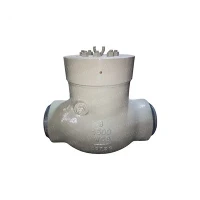
In addition to Teflon Lined Gate Valves, there are other types of Teflon lined valves available, such as Teflon Lined Check Valves and Teflon Lined Butterfly Valves. Each type of valve has its own advantages and disadvantages.
- Teflon Lined Check Valves: These valves allow the fluid to flow in one direction only. They are commonly used to prevent backflow in pipelines. The Teflon lining in check valves ensures a tight seal and prevents corrosion.
- Teflon Lined Butterfly Valves: Butterfly valves are used to control the flow rate of the fluid. They are lightweight and have a compact design. The Teflon lining in butterfly valves provides a smooth surface for the disc to rotate, ensuring a good seal.
When choosing between different types of Teflon lined valves, consider the specific requirements of your application, such as the flow rate, the pressure, and the type of media.
Conclusion
Ensuring the proper functioning of Teflon lined gate valves requires a combination of proper installation, regular inspection, media compatibility, maintenance, and operator training. By following these guidelines, you can extend the lifespan of the valves, prevent leakage, and ensure the safety and efficiency of your industrial processes.
If you are in the market for high - quality Teflon lined gate valves or need more information about their operation and maintenance, feel free to contact us. We are a leading supplier of Teflon Lined Gate Valves and can provide you with the best solutions for your needs. Our team of experts is ready to assist you in selecting the right valve and ensuring its proper installation and maintenance.
References
- "Valve Handbook: Principles and Applications" by Milton Beychok
- Manufacturer's manuals for Teflon lined gate valves