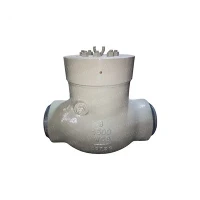
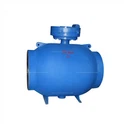
Hey there! As a supplier of Wedge Gate Valves, I get a lot of questions from folks working on various projects about how to pick the right valve. It's not always a walk in the park, but with a bit of know - how, you can make an informed decision. So, let's dive right in and figure out how to determine the correct wedge gate valve for a specific project.
1. Understand the Project Requirements
First things first, you've got to have a clear picture of what your project needs. What kind of fluid or gas will the valve be handling? Is it water, oil, steam, or something else? Different substances have different properties, like viscosity, corrosiveness, and temperature.
For example, if you're dealing with a corrosive chemical, you'll want a valve made from a material that can withstand that kind of environment. That's where Stainless Steel Wedge Gate Valves come in handy. Stainless steel is highly resistant to corrosion, so it's a great choice for projects involving chemicals or saltwater.
On the other hand, if you're working on a project that doesn't require corrosion resistance and you're looking for a more cost - effective option, Carbon Steel Wedge Gate Valves might be the way to go. Carbon steel is strong and durable, and it can handle a wide range of pressures and temperatures.
2. Consider the Pressure and Temperature
Pressure and temperature are two crucial factors when choosing a wedge gate valve. You need to know the maximum and minimum pressure and temperature that the valve will be exposed to.
High - pressure applications require valves that can handle the force without leaking or failing. Make sure to check the valve's pressure rating, which is usually indicated in pounds per square inch (psi) or bar. If the pressure in your system exceeds the valve's rating, it could lead to serious problems, like valve failure or even an explosion.
Temperature also plays a big role. Extreme temperatures can affect the performance and lifespan of the valve. For high - temperature applications, you'll need a valve made from materials that can withstand the heat, such as certain alloys. And for low - temperature applications, the valve should be able to operate without becoming brittle or losing its sealing properties.
3. Think About the Size and Flow Rate
The size of the valve is directly related to the flow rate of the fluid or gas in your system. You need to determine the required flow rate, which is usually measured in gallons per minute (GPM) or cubic meters per hour (m³/h).
A valve that's too small will restrict the flow, causing pressure drops and reducing the efficiency of your system. On the other hand, a valve that's too large can be expensive and may not operate properly. To calculate the right valve size, you can use flow rate equations or consult with a professional engineer.
4. Look at the End Connections
The end connections of the valve are important because they determine how the valve will be installed in your system. There are several types of end connections available, such as flanged, threaded, and welded.


Flanged Wedge Gate Valves are very popular because they're easy to install and remove. They use bolts to connect the valve to the pipeline, which makes them suitable for applications where the valve may need to be replaced or serviced frequently.
Threaded connections are commonly used for smaller valves and low - pressure applications. They're relatively simple to install, but they may not be as reliable as flanged connections for high - pressure or high - temperature systems.
Welded connections provide a permanent and leak - free seal, but they're more difficult to install and remove. They're often used in applications where a high level of integrity is required, such as in pipelines carrying hazardous materials.
5. Evaluate the Valve Design
There are different designs of wedge gate valves, including solid wedge, flexible wedge, and split wedge.
Solid wedge valves are the most common type. They're simple and reliable, and they can provide a tight seal. However, they may be more prone to jamming in some applications, especially if the valve is not fully opened or closed.
Flexible wedge valves have a wedge that can flex slightly, which helps to prevent jamming and provides a better seal. They're a good choice for applications where the valve may be subject to thermal expansion or contraction.
Split wedge valves consist of two separate pieces that can move independently. This design allows for better sealing and reduced wear on the valve seats. Split wedge valves are often used in high - pressure and high - temperature applications.
6. Consider the Operating Conditions
The operating conditions of your project can also influence your valve choice. For example, if the valve will be operated manually, you'll want a valve that's easy to turn. Some valves have a handwheel or a lever for manual operation, while others may require a gearbox for larger valves.
If the valve needs to be automated, you'll need to choose a valve that's compatible with the automation system you're using. This could include electric, pneumatic, or hydraulic actuators. Automated valves are often used in applications where remote operation or precise control is required.
7. Check the Quality and Certification
When you're investing in a wedge gate valve for your project, you want to make sure you're getting a high - quality product. Look for valves that are manufactured to industry standards and have the necessary certifications.
Certifications such as API (American Petroleum Institute), ASME (American Society of Mechanical Engineers), and ISO (International Organization for Standardization) indicate that the valve has been tested and meets certain quality and performance criteria. A valve with these certifications is more likely to be reliable and durable.
8. Get Expert Advice
If you're still not sure which wedge gate valve is right for your project, don't hesitate to reach out for expert advice. As a Wedge Gate Valves supplier, I've got a wealth of experience and knowledge in this field. I can help you understand your options, answer your questions, and recommend the best valve for your specific needs.
We understand that every project is unique, and we're committed to providing you with the best possible solution. Whether you're working on a small - scale project or a large - scale industrial application, we've got the valves and the expertise to meet your requirements.
So, if you're in the market for a wedge gate valve, why not get in touch with us? We can discuss your project in detail, provide you with a quote, and help you make the right decision. Let's work together to ensure the success of your project.
References
- API Standards for Valve Manufacturing
- ASME Boiler and Pressure Vessel Code
- ISO Standards for Industrial Valves