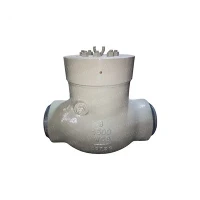
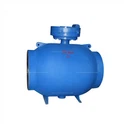
Teflon, also known as polytetrafluoroethylene (PTFE), is a synthetic fluoropolymer that has found widespread use in various industrial applications, particularly in the manufacturing of valves. The Teflon lining in valves plays a crucial role in determining how these valves respond to pressure changes. As a Teflon Lined Valves supplier, I have witnessed firsthand the impact of Teflon lining on valve performance under different pressure conditions.
The Basics of Teflon Lining in Valves
Teflon lining is applied to the inner surfaces of valves to provide a protective barrier against corrosion, chemical attack, and abrasion. This lining is typically used in valves that handle aggressive chemicals, high - temperature fluids, or slurries. The smooth surface of Teflon reduces friction, which is beneficial for the movement of the valve components. There are different types of Teflon - lined valves, such as Teflon Lined Globe Valves, Teflon Lined Gate Valves, and Teflon Lined Check Valves, each designed for specific applications and pressure requirements.
Impact on Valve Response to Low - Pressure Changes
In low - pressure environments, the Teflon lining can enhance the valve's sealing performance. The flexibility of Teflon allows it to conform to the irregularities of the valve seat, creating a tight seal even at low pressures. This is particularly important in applications where preventing leakage is critical, such as in the pharmaceutical or food and beverage industries.
The low friction coefficient of Teflon also means that the valve can operate smoothly with minimal effort. In low - pressure systems, this can result in a quicker response time when opening or closing the valve. For example, in a chemical dosing system where small amounts of chemicals are added at low pressures, a Teflon - lined valve can accurately control the flow rate due to its smooth operation and reliable sealing.
Influence on Valve Response to High - Pressure Changes
When dealing with high - pressure systems, the Teflon lining must be carefully designed and installed to ensure its integrity. Teflon has excellent mechanical properties, including high tensile strength and resistance to deformation. However, under extremely high pressures, there is a risk of the Teflon lining being extruded or damaged.
To mitigate this risk, manufacturers often use reinforced Teflon linings. These linings incorporate materials such as glass fibers or carbon fibers to increase the strength and stiffness of the Teflon. Reinforced Teflon linings can withstand higher pressures without significant deformation, allowing the valve to maintain its sealing performance.
In high - pressure applications, the Teflon lining also helps to protect the valve body from the corrosive effects of the fluid. High - pressure fluids can often be more aggressive, and the Teflon lining acts as a shield, preventing the fluid from coming into direct contact with the valve body material. This not only extends the service life of the valve but also ensures that the valve can continue to function properly under high - pressure conditions.
Dynamic Pressure Changes
Valves in many industrial processes are subject to dynamic pressure changes, such as pressure surges or pulsations. The Teflon lining can have a significant impact on how the valve responds to these dynamic changes.
The elasticity of Teflon allows it to absorb some of the energy from pressure surges. When a pressure surge occurs, the Teflon lining can deform slightly and then return to its original shape once the surge has passed. This helps to protect the valve components from damage and reduces the risk of leakage.
However, repeated exposure to pressure surges can cause fatigue in the Teflon lining. Over time, this can lead to cracking or delamination of the lining. To address this issue, proper maintenance and inspection of the Teflon - lined valves are essential. Regular checks can detect any signs of damage early, allowing for timely replacement of the lining or the entire valve if necessary.


Considerations for Different Valve Types
Globe Valves
Globe valves are commonly used for flow control in various industries. The Teflon lining in a globe valve affects its response to pressure changes by influencing the flow characteristics and sealing performance. In a Teflon - lined globe valve, the smooth lining reduces the resistance to flow, allowing for better control of the fluid at different pressures. The tight seal provided by the Teflon lining ensures that the valve can accurately regulate the flow rate, even under fluctuating pressure conditions.
Gate Valves
Gate valves are typically used for on - off applications. The Teflon lining in a gate valve helps to prevent leakage when the valve is closed. In high - pressure systems, the Teflon lining must be able to withstand the force exerted by the fluid without being damaged. A well - designed Teflon - lined gate valve can provide reliable shut - off performance, even under high - pressure differentials.
Check Valves
Check valves are designed to allow fluid to flow in one direction only. The Teflon lining in a check valve can improve its response to pressure changes by providing a smooth surface for the valve disc to move against. This reduces the friction and allows the valve disc to open and close quickly in response to changes in pressure. The Teflon lining also helps to prevent backflow by creating a tight seal when the valve is closed.
Conclusion
The Teflon lining has a profound impact on how valves respond to pressure changes. Whether in low - pressure, high - pressure, or dynamic pressure environments, the Teflon lining can enhance the valve's sealing performance, reduce friction, and protect the valve body from corrosion. However, proper design, installation, and maintenance are crucial to ensure the long - term performance of Teflon - lined valves.
If you are in need of Teflon - lined valves for your industrial applications, we are here to help. Our team of experts can provide you with the right valve solutions tailored to your specific pressure requirements. Contact us to start a discussion about your valve needs and explore how our Teflon - lined valves can improve the efficiency and reliability of your systems.
References
- Smith, J. (2018). Industrial Valve Handbook. New York: Wiley.
- Jones, A. (2020). "The Role of Teflon in Valve Technology." Journal of Industrial Materials, 45(2), 78 - 85.
- Brown, C. (2019). "High - Pressure Valve Design and Performance." Mechanical Engineering Review, 32(4), 123 - 131.