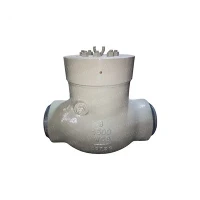
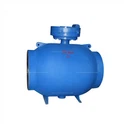
Hey there! As a supplier of Straight Globe Valves, I often get asked a really interesting question: "Are Straight Globe Valves bidirectional?" Well, let's dive right into this topic and find out.
First off, let's quickly understand what Straight Globe Valves are. A Straight Globe Valve is a type of valve used in a wide range of industries to control the flow of fluid through a pipeline. You can learn more about them on our website Straight Globe Valves. These valves have a spherical body with an internal baffle that divides the valve into two halves. The disc moves up and down to open or close the flow path.
Now, the big question - are they bidirectional? The short answer is, it depends. In theory, many Straight Globe Valves can be installed in a way that allows flow in either direction. However, there are some important factors to consider.
One of the main things to keep in mind is the valve's design and intended use. Some Straight Globe Valves are designed with a specific flow direction in mind. This is because the valve's performance, such as its flow characteristics and sealing ability, can be affected by the direction of the flow. For example, when the flow is in the intended direction, the valve may have a lower pressure drop, which means less energy is wasted in pushing the fluid through the valve. On the other hand, if the flow is in the opposite direction, the pressure drop may increase, and the valve may not seal as effectively.
Another factor is the type of application. In some applications, such as in a simple water supply system, the valve may work fine in either direction. But in more critical applications, like in a chemical processing plant or a power generation facility, it's crucial to follow the manufacturer's recommendations regarding the flow direction. In these high - stakes environments, any deviation from the proper flow direction can lead to reduced valve life, increased maintenance costs, and even safety hazards.
Let's take a closer look at the advantages and disadvantages of using Straight Globe Valves bidirectionally.
Advantages
- Flexibility in installation: One of the biggest advantages is the flexibility it offers during installation. If a valve can be installed in either direction, it can simplify the piping layout. This can be especially useful in retrofit projects where space and existing piping configurations may be a challenge.
- Reduced inventory: When a valve is bidirectional, it means that the same valve can be used in different parts of a system without having to worry about the flow direction. This can reduce the number of different valve types that need to be stocked, which in turn can save on inventory costs.
Disadvantages
- Performance degradation: As mentioned earlier, the performance of the valve may be affected when the flow is in the non - intended direction. This can lead to increased pressure drops, which can result in higher energy consumption. Additionally, the sealing performance may be compromised, leading to potential leaks.
- Wear and tear: The valve may experience more wear and tear when used bidirectionally. The forces acting on the valve components, such as the disc and the seat, can be different depending on the flow direction. This can cause uneven wear, which can shorten the valve's lifespan.
Now, let's talk about a specific type of Straight Globe Valve - the Electric Straight Globe Valve. Electric Straight Globe Valves are controlled by an electric actuator, which allows for remote operation and precise control of the valve's opening and closing.
The bidirectionality of Electric Straight Globe Valves also follows the same principles as regular Straight Globe Valves. However, there are some additional considerations. The electric actuator is designed to work in conjunction with the valve's movement. If the valve is used in the non - intended direction, it may put additional stress on the actuator, which can lead to premature failure.


In the case of Electric Straight Globe Valves, it's even more important to follow the manufacturer's guidelines regarding flow direction. The actuator's control system is calibrated based on the valve's performance in the intended flow direction. Using the valve in the opposite direction can disrupt this calibration and affect the accuracy of the valve's control.
So, what should you do if you're considering using Straight Globe Valves bidirectionally? First, consult the valve's technical documentation. The manufacturer will usually provide clear instructions on whether the valve is suitable for bidirectional use and any limitations or precautions. If you're still unsure, don't hesitate to reach out to the manufacturer's technical support team. They have the expertise to help you make the right decision based on your specific application.
At our company, we're committed to providing high - quality Straight Globe Valves and the best advice to our customers. Whether you're in the market for a standard Straight Globe Valve or an Electric Straight Globe Valve, we have a wide range of products to meet your needs. Our team of experts can help you select the right valve for your application and ensure that you get the most out of it.
If you're interested in learning more about our Straight Globe Valves or have any questions about bidirectionality, we'd love to hear from you. Just reach out to us, and we'll be happy to assist you with your procurement needs and have a detailed discussion about how our valves can fit into your system.
In conclusion, while some Straight Globe Valves can be used bidirectionally, it's not a one - size - fits - all situation. There are many factors to consider, including the valve's design, the application, and the type of valve (such as Electric Straight Globe Valves). By understanding these factors and following the manufacturer's recommendations, you can ensure that your valves perform optimally and have a long service life.
References
- Valve Handbook, by Crane Co.
- Fluid Mechanics and Thermodynamics of Turbomachinery, by S. L. Dixon.