


Hey there! As a supplier of lift check valves, I often get asked whether lift check valves are suitable for oil and gas pipelines. Well, let's dig into this topic and find out.
First off, let's understand what lift check valves are. These valves are designed to allow fluid to flow in one direction and prevent backflow. They work by using a disc that moves up and down inside the valve body. When the fluid flows in the correct direction, the pressure of the fluid lifts the disc off its seat, allowing the fluid to pass through. When the flow stops or reverses, the disc drops back onto its seat, blocking the flow.
Now, let's talk about oil and gas pipelines. These pipelines are used to transport oil and gas over long distances, and they operate under high pressure and often carry corrosive and abrasive fluids. So, the valves used in these pipelines need to be reliable, durable, and able to withstand harsh conditions.
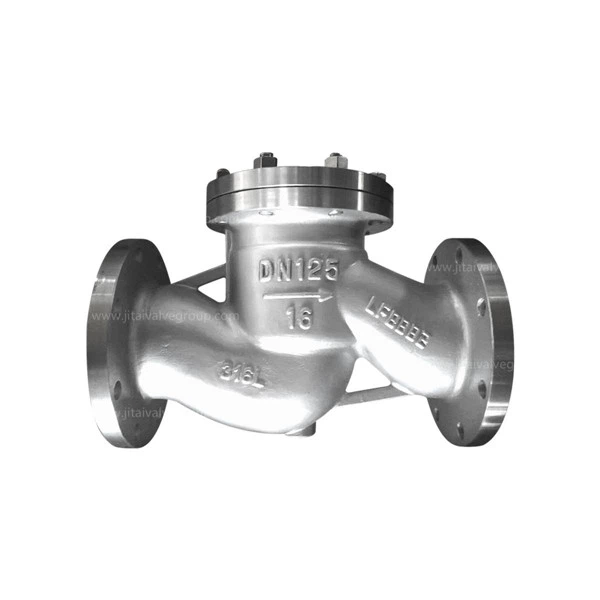

One of the key advantages of lift check valves in oil and gas pipelines is their ability to provide tight shut - off. In oil and gas applications, preventing backflow is crucial. A small amount of backflow can lead to issues such as contamination of the product, pressure surges, and damage to equipment upstream. Lift check valves, with their positive sealing mechanism, can effectively prevent backflow, ensuring the integrity of the pipeline system.
Another benefit is their suitability for high - pressure applications. Oil and gas pipelines often operate at high pressures, and lift check valves are well - equipped to handle these conditions. For example, our High Pressure Lift Check Valve is specifically designed to withstand extreme pressure levels. It has a robust construction that can maintain its performance even under high - stress situations.
Material selection is also an important factor when it comes to using lift check valves in oil and gas pipelines. The fluids in these pipelines can be corrosive, so the valves need to be made of materials that can resist corrosion. We offer Carbon Steel Lift Check Valves which are a popular choice for many oil and gas applications. Carbon steel is strong and has good corrosion resistance, making it suitable for transporting a wide range of oil and gas products.
If you're dealing with more corrosive fluids, our Stainless Steel Lift Check Valves are a great option. Stainless steel has excellent corrosion resistance properties, which can extend the lifespan of the valve and reduce maintenance requirements.
However, lift check valves also have some limitations in oil and gas pipelines. One of the main drawbacks is their relatively high pressure drop. When the fluid flows through the valve, the movement of the disc creates some resistance, which can result in a loss of pressure. In long - distance pipelines, this pressure drop can be a significant issue as it may require additional pumping power to maintain the flow.
Another limitation is their sensitivity to fluid velocity. Lift check valves rely on the fluid velocity to lift the disc. If the fluid velocity is too low, the disc may not open fully, leading to reduced flow capacity. On the other hand, if the fluid velocity is too high, it can cause excessive wear on the disc and seat, reducing the valve's lifespan.
Despite these limitations, in many oil and gas applications, the advantages of lift check valves outweigh the disadvantages. For example, in applications where tight shut - off is the primary concern, such as in isolation valves or in protecting sensitive equipment from backflow, lift check valves are an ideal choice.
In addition, proper installation and maintenance can help mitigate some of the limitations. For instance, by carefully selecting the valve size based on the pipeline's flow rate and pressure requirements, we can minimize the pressure drop. Regular inspection and maintenance can also ensure that the valve is functioning properly and that any signs of wear or damage are addressed promptly.
To sum it up, lift check valves can be very suitable for oil and gas pipelines. They offer reliable shut - off, can handle high pressures, and are available in a variety of materials to suit different corrosive environments. However, it's important to consider their limitations and make sure they are properly installed and maintained.
If you're in the oil and gas industry and are looking for high - quality lift check valves, we'd love to have a chat with you. We have a wide range of lift check valves to meet your specific needs. Whether you need a carbon steel valve for a standard application or a high - pressure stainless steel valve for a more demanding environment, we've got you covered. Reach out to us for a consultation and let's work together to find the best valve solution for your oil and gas pipelines.
References
- API Standards for Valves in Oil and Gas Industry
- ASME B16.34 - Valves - Flanged, Threaded, and Welding End
- Manufacturer's technical documentation on lift check valves


