


Hey there! As a supplier of Oil Floating Ball Valves, I often get asked about the pressure - temperature rating relationship of these valves. It's a crucial topic, especially for those in the oil industry. So, let's dive right in and break it down.

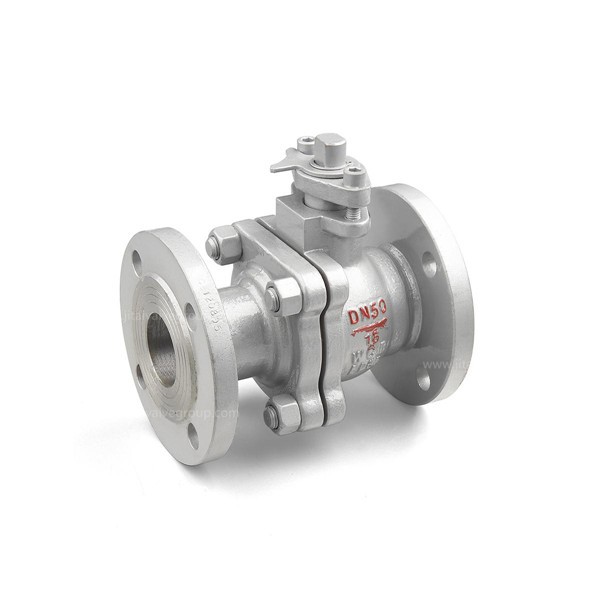
First off, what exactly are oil floating ball valves? Well, they're a type of valve commonly used in the oil and gas industry. These valves have a floating ball that moves freely within the valve body. When the valve is open, the ball allows the flow of oil through the valve. When it's closed, the ball blocks the flow. Simple enough, right?
Now, let's talk about pressure and temperature ratings. Every oil floating ball valve has specific pressure and temperature ratings. These ratings indicate the maximum pressure and temperature at which the valve can operate safely and effectively. Exceeding these ratings can lead to valve failure, which can be extremely dangerous in an oil - related environment.
The pressure rating of an oil floating ball valve is usually measured in pounds per square inch (psi) or bars. It tells us how much pressure the valve can handle without leaking or getting damaged. For example, a valve with a pressure rating of 150 psi can withstand a pressure of up to 150 pounds per square inch. If the pressure in the system goes above this rating, the valve may start to leak or even break, which could cause a serious oil spill or other safety hazards.
On the other hand, the temperature rating is measured in degrees Fahrenheit (°F) or Celsius (°C). It indicates the range of temperatures within which the valve can function properly. Different materials used in the construction of the valve have different temperature tolerances. For instance, some rubber seals used in the valve may start to degrade at high temperatures, which can affect the valve's performance.
So, what's the relationship between pressure and temperature? Well, generally speaking, as the temperature increases, the pressure - handling capacity of the valve decreases. This is because high temperatures can cause the materials in the valve to expand and become weaker. Let's say you have a valve that's rated for a certain pressure at room temperature. If the temperature in the system rises significantly, the valve may not be able to handle the same pressure anymore. You might need to reduce the pressure in the system to keep the valve operating safely.
There are also some other factors that can affect the pressure - temperature rating relationship. The type of fluid flowing through the valve is one of them. Different oils have different properties, such as viscosity and chemical composition. These properties can influence how the valve responds to pressure and temperature changes. For example, a thick, viscous oil may put more stress on the valve compared to a thin, less viscous one.
The design and construction of the valve also play a role. Valves made from high - quality materials and with a robust design are generally more capable of handling a wider range of pressure and temperature conditions. For example, Carbon Steel Floating Ball Valves are known for their durability and can often withstand higher pressures and temperatures compared to valves made from other materials.
Another important aspect is the maintenance of the valve. Regular maintenance can help ensure that the valve operates within its pressure - temperature ratings. This includes checking for leaks, inspecting the seals, and lubricating the moving parts. If a valve is not properly maintained, its performance can degrade over time, and it may not be able to handle the rated pressure and temperature as effectively.
Now, let's talk about some real - world applications. In an oil refinery, oil floating ball valves are used in various processes, such as crude oil transfer, refining, and product storage. In these applications, the pressure and temperature can vary greatly. For example, during the refining process, the temperature can be quite high, and the pressure needs to be carefully controlled. Using valves with the right pressure - temperature ratings is essential to ensure the smooth and safe operation of the refinery.
In offshore oil platforms, the conditions are even more challenging. The valves have to withstand high pressures due to the depth of the well and the force of the oil flow. At the same time, they may be exposed to extreme temperatures, both hot and cold. Choosing the right oil floating ball valves with appropriate pressure - temperature ratings is crucial to prevent any failures that could lead to environmental disasters or endanger the lives of the workers.
If you're in the market for oil floating ball valves, you might also be interested in Manual Floating Ball Valves. These valves are operated manually, which can be useful in situations where automated control is not required or in case of a power failure. They still need to have the right pressure - temperature ratings to work effectively.
When selecting an oil floating ball valve, it's important to consider the specific requirements of your application. You need to know the maximum pressure and temperature that the valve will be exposed to. You also need to think about the type of oil, the flow rate, and other factors. Our team of experts can help you choose the right valve for your needs. We have a wide range of oil floating ball valves with different pressure - temperature ratings to suit various applications.
If you're looking for high - quality oil floating ball valves that meet your specific pressure - temperature requirements, don't hesitate to get in touch with us. We're here to provide you with the best products and services. Whether you're a small - scale oil producer or a large - scale refinery, we can help you find the perfect valves for your operations. Let's have a chat and see how we can work together to ensure the safety and efficiency of your oil - related processes.
References
- Valve Handbook, Various Editions
- Oil and Gas Industry Standards Documents
- Manufacturer's Technical Data Sheets for Oil Floating Ball Valves


