


As a supplier of floating ball valves, I've witnessed firsthand the dynamic market for these essential components. Floating ball valves are widely used in various industries, including oil and gas, chemical, and water treatment, due to their reliable sealing performance and ease of operation. One question that frequently arises from customers is about the performance comparison between domestic and imported floating ball valves. In this blog, I'll delve into this topic, offering insights based on my years of experience in the field.
Material Quality
The quality of materials used in manufacturing floating ball valves significantly impacts their performance. Imported floating ball valves often boast a reputation for using high - grade materials. For instance, some imported models might use premium stainless steel alloys that offer excellent corrosion resistance, even in highly aggressive chemical environments. This is particularly crucial in industries such as petrochemicals, where valves are exposed to harsh substances on a daily basis.
On the other hand, domestic floating ball valves have made remarkable progress in material selection. Many domestic manufacturers now source high - quality materials, both locally and internationally. For example, Carbon Steel Floating Ball Valves produced domestically are made from carbon steel that meets international standards, providing good strength and durability at a more competitive price.
In some cases, domestic suppliers can offer a wider range of material options to suit different customer needs. They can quickly adapt to market demands and source materials that are cost - effective without sacrificing too much on quality. However, in extremely demanding applications where the highest level of corrosion resistance or material purity is required, imported valves may still have an edge.
Manufacturing Precision
Manufacturing precision is another key factor in the performance of floating ball valves. Imported valves are often associated with high - precision manufacturing processes. Advanced machinery and strict quality control systems ensure that the dimensions of the valve components, such as the ball and the seat, are within very tight tolerances. This results in a better seal, reduced leakage, and longer service life.
Domestic manufacturers have also been investing heavily in modern manufacturing equipment and quality control. Many domestic factories now use CNC machining centers and automated testing equipment to improve the precision of their products. For example, Alloy Steel Floating Ball Valves produced by domestic suppliers are now able to achieve high levels of dimensional accuracy, comparable to their imported counterparts in many cases.
However, there may still be some gaps in the overall manufacturing precision, especially when it comes to mass - produced valves. Imported manufacturers may have more experience in large - scale, high - precision production, which can lead to more consistent quality across a large batch of valves.
Sealing Performance
The sealing performance of a floating ball valve is crucial for its proper functioning. A good seal prevents leakage, which is not only important for the efficiency of the system but also for safety reasons. Imported floating ball valves are generally known for their excellent sealing performance. They often use advanced sealing materials and design concepts to ensure a tight seal under different operating conditions, such as high pressure and temperature.
Domestic manufacturers have also made great efforts to improve sealing performance. They have developed their own sealing technologies and materials, and many domestic floating ball valves can provide reliable sealing in normal operating conditions. For example, Manual Floating Ball Valves produced domestically are equipped with high - quality seals that can effectively prevent leakage.
However, in extreme conditions, such as very high - pressure or high - temperature applications, imported valves may still be more reliable. The research and development capabilities of some imported manufacturers allow them to continuously improve their sealing technologies, giving them an advantage in the most demanding environments.
Price and Cost - effectiveness
Price is an important consideration for many customers. Imported floating ball valves are usually more expensive than their domestic counterparts. This is due to factors such as higher production costs, import duties, and transportation fees. The brand value associated with imported products also contributes to the higher price.
Domestic floating ball valves offer a more cost - effective solution in many cases. They can provide similar performance at a lower price, making them a popular choice for customers with budget constraints. For small and medium - sized enterprises, domestic valves can offer a good balance between performance and cost.
However, it's important to note that the cheapest option is not always the best. Customers need to carefully evaluate the performance requirements of their applications and choose the valve that offers the best value for money. In some cases, the slightly higher cost of an imported valve may be justified by its longer service life and better performance in critical applications.
After - sales Service
After - sales service is an important aspect of the overall customer experience. Imported valve suppliers may have a more established global after - sales service network in some cases. They can provide technical support, spare parts, and maintenance services more easily in different regions.
Domestic suppliers, on the other hand, can offer more personalized and responsive after - sales service. They are often more accessible and can quickly address customer concerns. Many domestic manufacturers have local service teams that can provide on - site support in a short time.
In addition, domestic suppliers are more likely to offer customized after - sales solutions to meet the specific needs of customers. They can adapt more quickly to changes in customer requirements and provide more flexible service.
Conclusion
In conclusion, both domestic and imported floating ball valves have their own advantages and disadvantages. Imported valves generally offer higher - end performance in terms of material quality, manufacturing precision, and sealing performance, especially in extreme applications. However, they come with a higher price tag.
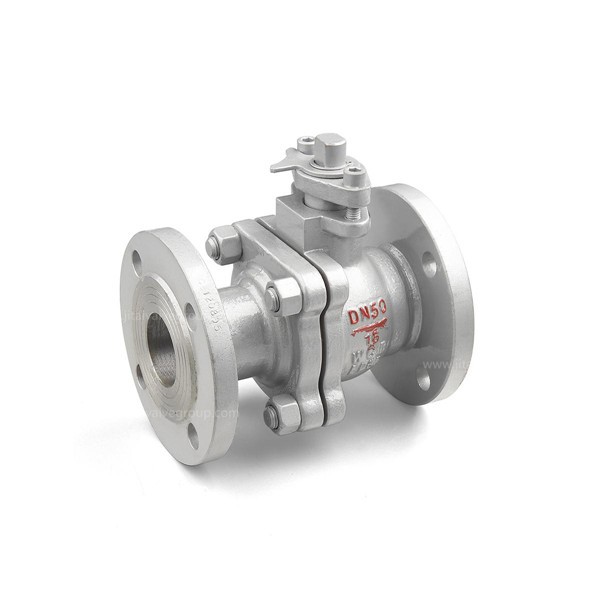

Domestic floating ball valves, on the other hand, have made significant progress in recent years. They offer a more cost - effective solution with good performance in most normal applications. They also provide more personalized after - sales service and can quickly adapt to customer needs.
As a floating ball valve supplier, I understand that every customer has unique requirements. Whether you choose a domestic or an imported valve, it's important to carefully evaluate your application needs, performance requirements, and budget. If you have any questions or need help in selecting the right floating ball valve for your project, please feel free to contact me for more information and procurement discussions. We are committed to providing you with the best - suited valve solutions to meet your specific needs.
References
- Valve Handbook, 4th Edition by J. S. T. Smith
- Industrial Valves: Selection and Sizing by Robert A. Smith
- Floating Ball Valve Technology Research Reports from industry research institutions


