


In the realm of industrial fluid control, manual wedge gate valves stand as a cornerstone, offering reliable shut - off capabilities across a wide range of applications. As a seasoned supplier of Manual Wedge Gate Valves, I've witnessed firsthand the critical role these valves play in various industries, from oil and gas to water treatment. One of the most crucial components within a manual wedge gate valve is the wedge seat, which significantly impacts the valve's performance and functionality.
Sealing Function
At its core, the primary function of the wedge seat in a manual wedge gate valve is to provide a tight seal. When the valve is in the closed position, the wedge - shaped gate is forced between the two seats. This wedging action creates a high - pressure contact between the gate and the seats, effectively preventing the flow of fluid through the valve. The design of the wedge seat ensures that even under high - pressure conditions, the valve can maintain a leak - tight seal.
For example, in a high - pressure oil pipeline, a reliable seal is essential to prevent oil leakage, which can not only lead to environmental hazards but also result in significant economic losses. Our Flanged Wedge Gate Valves are engineered with precision - machined wedge seats to ensure a perfect fit with the gate, providing a secure seal against the high - pressure oil flow.
The material of the wedge seat also plays a vital role in the sealing function. Common materials include stainless steel, cast iron, and various polymers. Stainless steel seats are highly resistant to corrosion and erosion, making them ideal for applications in harsh chemical environments. Our Stainless Steel Wedge Gate Valves feature high - quality stainless steel wedge seats, which can withstand the corrosive effects of acids, alkalis, and other aggressive chemicals.
On the other hand, cast iron seats are known for their strength and durability. They are often used in applications where the fluid is relatively clean and non - corrosive. Our Cast Steel Wedge Gate Valves with cast iron wedge seats are suitable for water supply systems, where they can provide long - lasting performance.
Flow Regulation
While manual wedge gate valves are primarily used for on - off control, the wedge seat can also have an impact on flow regulation to a certain extent. When the valve is partially open, the shape of the wedge and the interaction with the seat affect the flow characteristics of the fluid.
The wedge - shaped design allows for a gradual increase or decrease in the flow area as the valve is opened or closed. This can help to reduce the sudden changes in flow velocity, which is beneficial in applications where a smooth flow transition is required. For instance, in a water treatment plant, a gradual flow adjustment can prevent water hammer, which can damage pipes and other equipment.
Wear Resistance
The wedge seat is subject to significant wear and tear during the operation of the valve. As the gate moves in and out of contact with the seat, friction and abrasion occur. Therefore, wear resistance is a critical function of the wedge seat.
To enhance wear resistance, the wedge seats are often heat - treated or coated with hard materials. Heat treatment can improve the hardness and strength of the seat material, making it more resistant to wear. Coating the seat with materials such as tungsten carbide or ceramic can further increase its wear - resistant properties.
In applications where the fluid contains solid particles, such as in a mining slurry pipeline, the wear - resistant wedge seat is essential to ensure the long - term performance of the valve. Our manual wedge gate valves with wear - resistant wedge seats can withstand the abrasive action of the slurry, reducing the need for frequent maintenance and replacement.
Alignment and Stability
The wedge seat also helps to align the gate properly within the valve body and provides stability during operation. The precise machining of the seat ensures that the gate moves smoothly between the seats, preventing any misalignment that could lead to a poor seal or premature wear.
The design of the wedge seat provides a guiding mechanism for the gate, allowing it to move in a straight line as it opens and closes. This alignment is crucial for the efficient operation of the valve, especially in large - diameter valves where the gate's weight and size can make it more prone to misalignment.
Impact on Valve Operation
The condition of the wedge seat has a direct impact on the ease of valve operation. A well - maintained and properly functioning wedge seat allows the valve to be opened and closed with relatively low torque. However, if the seat is damaged or worn, the friction between the gate and the seat increases, making it more difficult to operate the valve.
Regular inspection and maintenance of the wedge seat are essential to ensure the smooth operation of the valve. This includes checking for signs of wear, corrosion, or damage, and replacing the seat if necessary.
Conclusion and Call to Action
In conclusion, the wedge seat in a manual wedge gate valve serves multiple critical functions, including sealing, flow regulation, wear resistance, alignment, and stability. These functions are essential for the reliable and efficient operation of the valve in various industrial applications.
As a leading supplier of Manual Wedge Gate Valves, we are committed to providing high - quality valves with precision - engineered wedge seats. Our valves are designed to meet the most demanding requirements of different industries, ensuring long - term performance and reliability.
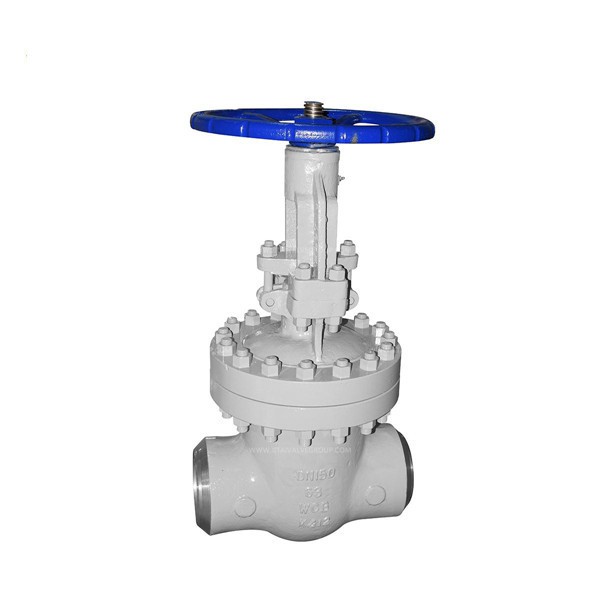
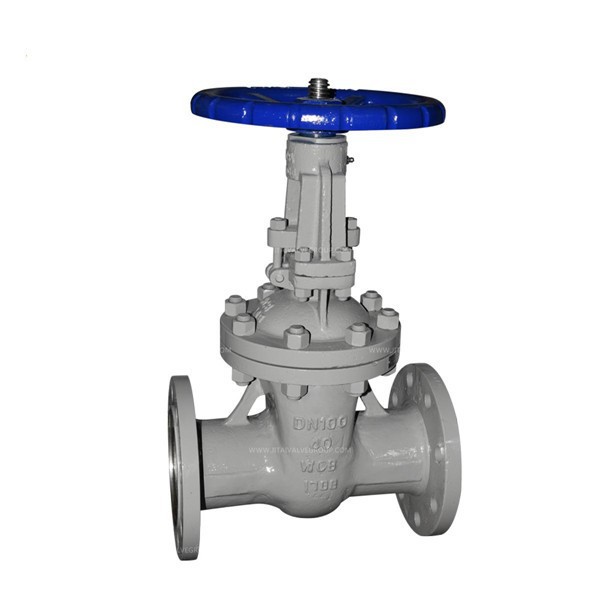
If you are in the market for manual wedge gate valves or have any questions about our products, we invite you to contact us for a detailed discussion. Our team of experts is ready to assist you in selecting the right valve for your specific application and provide you with the best possible solutions.
References
- "Valve Handbook", by J. F. Monahan, 2005.
- "Fluid Mechanics and Hydraulic Machines" by R. K. Bansal, 2018.
- Industry standards and guidelines related to manual wedge gate valves.


