


Yo, folks! As a supplier of Butterfly Valves, I've seen my fair share of issues in the valve world. One pesky problem that often crops up is the cavitation phenomenon in butterfly valves. So, let's dig into what cavitation is, why it's a big deal, and how we can prevent it.
What's the Cavitation Phenomenon in a Butterfly Valve?
Okay, first things first. Cavitation is like a mini-tornado inside your valve, but way more destructive. When a fluid flows through a butterfly valve, the valve disc restricts the flow. As the fluid speeds up through the narrow passage around the disc, its pressure drops. If the pressure drops below the vapor pressure of the fluid, vapor bubbles start to form. These bubbles are like little time bombs.
Once the fluid moves past the valve disc and the pressure rises again, those bubbles collapse suddenly. This collapse creates intense shockwaves that can hammer the valve components. It's like getting hit by a series of tiny sledgehammers over and over again. Over time, these shockwaves can cause pitting, erosion, and even structural damage to the valve body, disc, and seat.
Imagine your valve is like a car engine. Cavitation is like having a misfire in your engine all the time. It not only affects the performance of the valve but also shortens its lifespan. You might start noticing leaks, reduced flow control, and increased maintenance costs.
Why Does Cavitation Happen in Butterfly Valves?
There are a few reasons why cavitation can rear its ugly head in butterfly valves. One major factor is the valve's design. Butterfly valves are known for their quick opening and closing action, which can cause rapid changes in fluid velocity and pressure. When the valve is partially open, the fluid has to squeeze through a small gap around the disc, leading to high-velocity flow and low pressure.
Another culprit is the operating conditions. If the fluid being handled has a high vapor pressure, it's more likely to form vapor bubbles. Also, high flow rates and large pressure drops across the valve can increase the risk of cavitation. For example, in a pipeline with a high-pressure pump, the sudden reduction in pressure when the fluid passes through the valve can trigger cavitation.
The Impact of Cavitation on Butterfly Valves
Cavitation is not just a minor annoyance; it can have some serious consequences. First of all, it can damage the valve components. The pitting and erosion caused by cavitation can weaken the valve structure, leading to leaks and failures. This can be a major headache, especially in critical applications where valve performance is crucial.
In addition to physical damage, cavitation can also affect the valve's flow control. The rough surface created by cavitation can disrupt the smooth flow of the fluid, causing fluctuations in flow rate and pressure. This can make it difficult to maintain accurate process control, which is a big no-no in industries like chemical processing, power generation, and water treatment.
And let's not forget about the noise and vibration. The collapse of the vapor bubbles creates a loud noise, similar to the sound of gravel being pumped through the pipeline. The vibration can also cause problems for other equipment in the system, leading to premature wear and tear.
How to Prevent Cavitation in Butterfly Valves
Now that we know what cavitation is and why it's a problem, let's talk about how we can prevent it. The good news is that there are several strategies we can use to keep cavitation at bay.
Proper Valve Selection
One of the most important steps is to choose the right valve for the job. Consider the operating conditions, such as the fluid properties, flow rate, and pressure. For applications where cavitation is a concern, we might recommend using a Lug Triple Offset Butterfly Valves. These valves have a unique design that reduces the risk of cavitation by providing a more gradual flow path and better flow control.
Control the Flow Rate
Another way to prevent cavitation is to control the flow rate. By adjusting the valve opening gradually, we can avoid sudden changes in fluid velocity and pressure. This can be achieved using a control valve or a variable speed pump. For example, in a water treatment plant, we can use a control valve to regulate the flow of water through the butterfly valve, ensuring a smooth and stable flow.
Increase the System Pressure
Increasing the system pressure can also help prevent cavitation. By raising the pressure upstream of the valve, we can keep the pressure above the vapor pressure of the fluid, reducing the likelihood of vapor bubble formation. However, this approach needs to be carefully considered, as it can also increase the stress on the valve and other components in the system.
Use Anti-Cavitation Trim
Anti-cavitation trim is a special design feature that can be added to the valve to reduce the risk of cavitation. It typically consists of a series of small holes or channels that help to distribute the flow and reduce the pressure drop across the valve. This can prevent the formation of high-velocity jets and minimize the intensity of the shockwaves when the bubbles collapse.

Other Valve Solutions
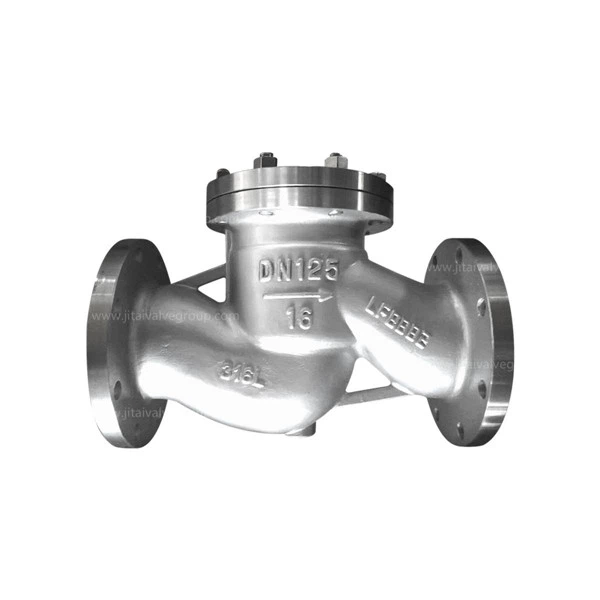
As a valve supplier, we offer a wide range of valve solutions to meet different needs. In addition to butterfly valves, we also supply Stainless Steel Lift Check Valves and Electric Fully Welded Ball Valves.
Stainless steel lift check valves are great for preventing backflow in pipelines. They are made of high-quality stainless steel, which makes them resistant to corrosion and wear. Electric fully welded ball valves, on the other hand, are ideal for applications where tight shut-off and reliable operation are required. They are fully welded, which eliminates the risk of external leakage and provides a long service life.
Conclusion
So, there you have it, folks! Cavitation in butterfly valves is a serious issue that can cause a lot of problems if not addressed properly. But by understanding what causes cavitation and taking the right preventive measures, we can keep our valves running smoothly and efficiently.
If you're in the market for butterfly valves or any other type of valves, don't hesitate to reach out to us. We have a team of experts who can help you choose the right valve for your application and provide you with the best solutions to prevent cavitation. Let's work together to ensure the success of your projects!
References
- "Valve Handbook" by Robert W. Saunders
- "Fluid Mechanics" by Frank M. White
- Industry research papers on valve cavitation and prevention.


