


In the realm of industrial fluid control, high-pressure applications demand valves that can withstand extreme forces while maintaining reliable performance. Fully welded ball valves have emerged as a popular choice for such scenarios, but the question remains: Are they truly suitable for high-pressure applications? As a leading supplier of fully welded ball valves, I will delve into this topic, exploring the features, advantages, and limitations of these valves in high-pressure environments.
Understanding Fully Welded Ball Valves
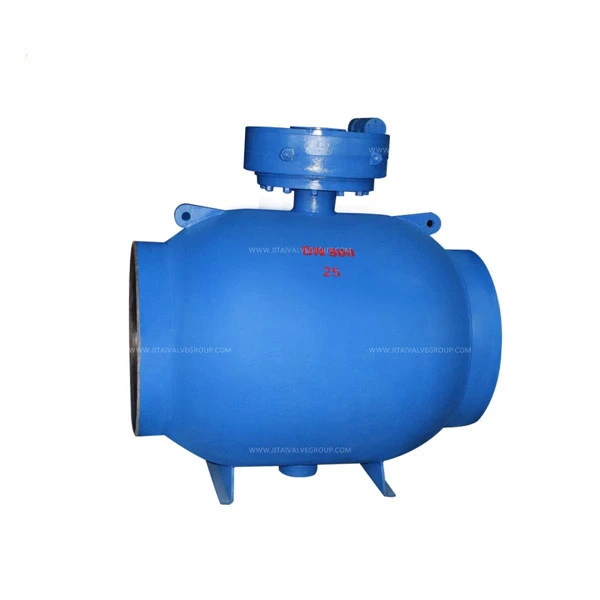
Fully welded ball valves are designed with a solid, one-piece body that is welded together, eliminating potential leakage points associated with bolted or flanged connections. This construction provides a robust and durable valve that can handle high pressures and temperatures. The ball inside the valve is typically made of stainless steel or other high-strength materials, ensuring smooth operation and long service life.
Advantages of Fully Welded Ball Valves in High-Pressure Applications
- Leakage Prevention: The fully welded design of these valves eliminates the risk of external leakage, making them ideal for high-pressure systems where even a small leak can have serious consequences. This feature ensures the safety and reliability of the system, reducing the potential for environmental hazards and costly downtime.
- High Pressure and Temperature Resistance: Fully welded ball valves are engineered to withstand extreme pressures and temperatures, making them suitable for a wide range of high-pressure applications, including oil and gas pipelines, chemical processing plants, and power generation facilities. They can handle pressures up to several thousand pounds per square inch (psi) and temperatures ranging from -200°C to 600°C.
- Durability and Longevity: The solid construction of fully welded ball valves provides excellent resistance to corrosion, erosion, and wear, ensuring a long service life even in harsh operating conditions. This durability reduces maintenance costs and extends the overall lifespan of the valve, making it a cost-effective solution for high-pressure applications.
- Low Torque Operation: These valves are designed with a low torque requirement, allowing for easy operation even under high-pressure conditions. This feature reduces the need for large actuators and simplifies the control system, making the valve more efficient and reliable.
- Compact Design: Fully welded ball valves have a compact and lightweight design, making them easy to install and integrate into existing systems. This feature reduces the space requirements and installation costs, making them a practical choice for high-pressure applications where space is limited.
Types of Fully Welded Ball Valves for High-Pressure Applications
As a supplier, we offer a variety of fully welded ball valves to meet the specific needs of high-pressure applications. Here are some of the types available:
- Electric Fully Welded Ball Valves: These valves are equipped with an electric actuator, allowing for remote operation and precise control. They are suitable for applications where automation and remote monitoring are required.
- Carbon Steel Fully Welded Ball Valves: Carbon steel is a popular material for fully welded ball valves due to its high strength and corrosion resistance. These valves are suitable for a wide range of high-pressure applications, including oil and gas pipelines, chemical processing plants, and power generation facilities.
- Stainless Steel Fully Welded Ball Valves: Stainless steel offers excellent corrosion resistance, making it ideal for applications where the valve is exposed to corrosive fluids or environments. These valves are commonly used in the food and beverage industry, pharmaceutical industry, and marine applications.
Limitations of Fully Welded Ball Valves in High-Pressure Applications
While fully welded ball valves offer many advantages in high-pressure applications, they also have some limitations that should be considered:
- High Initial Cost: The fully welded design of these valves requires specialized manufacturing processes and materials, which can result in a higher initial cost compared to other types of valves. However, the long service life and low maintenance requirements of these valves can offset the higher initial investment over time.
- Limited Repairability: Once a fully welded ball valve is installed, it is difficult to repair or replace individual components. In the event of a failure, the entire valve may need to be replaced, which can be costly and time-consuming.
- Installation Requirements: Fully welded ball valves require precise installation to ensure proper alignment and operation. This may require specialized tools and expertise, which can increase the installation cost and time.
Conclusion
In conclusion, fully welded ball valves are a suitable choice for high-pressure applications due to their excellent leakage prevention, high pressure and temperature resistance, durability, low torque operation, and compact design. As a supplier, we offer a variety of fully welded ball valves to meet the specific needs of our customers, including Electric Fully Welded Ball Valves, Carbon Steel Fully Welded Ball Valves, and Stainless Steel Fully Welded Ball Valves. While these valves have some limitations, such as high initial cost, limited repairability, and installation requirements, their benefits outweigh the drawbacks in most high-pressure applications.

If you are looking for a reliable and cost-effective solution for your high-pressure application, we invite you to contact us to discuss your specific requirements. Our team of experts will work with you to select the right valve for your needs and provide you with the support and service you deserve.
References
- API 6D: Specification for Pipeline Valves
- ASME B16.34: Valves - Flanged, Threaded, and Welding End
- ISO 14313: Petroleum and natural gas industries - Pipeline transportation systems - Pipeline valves


